



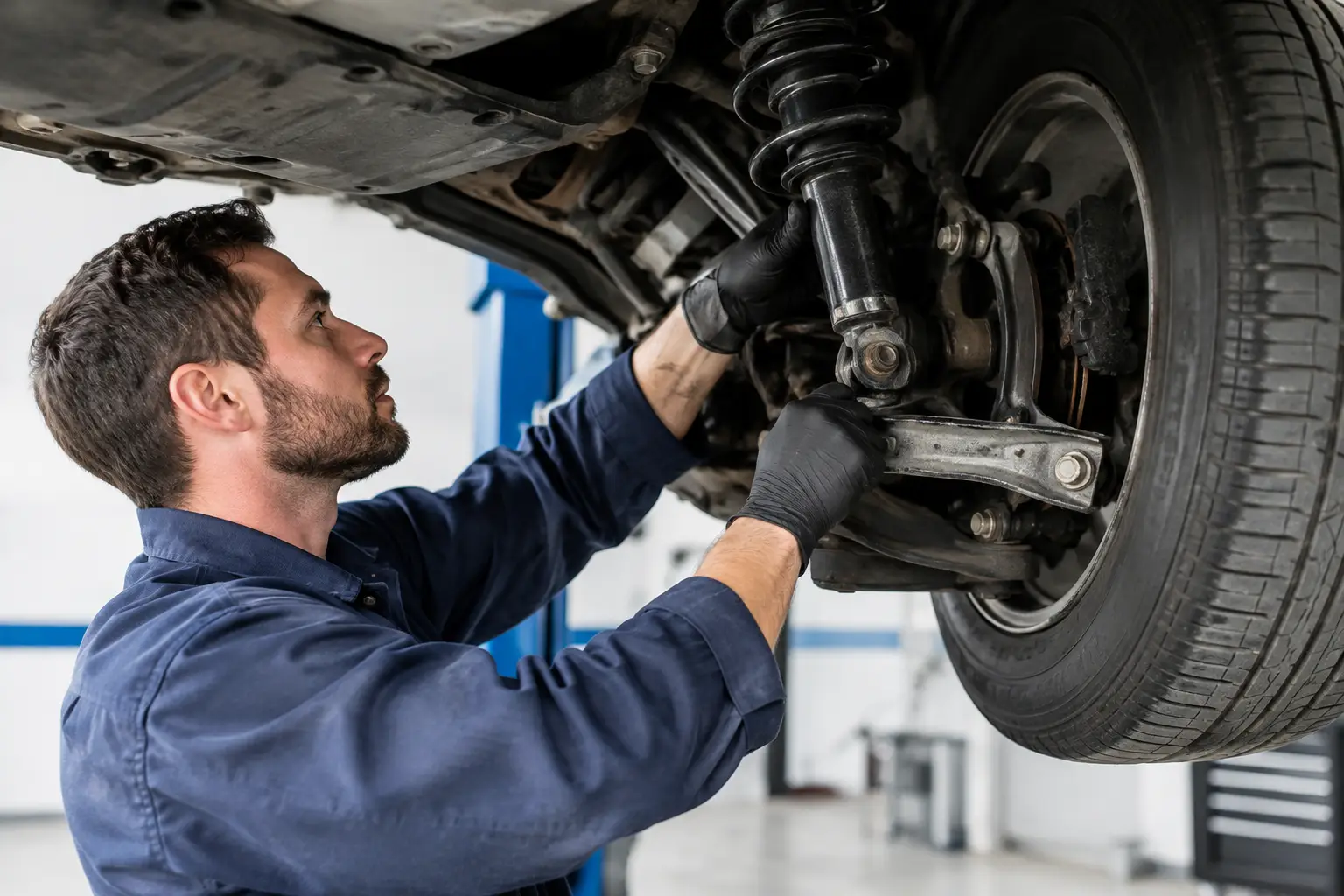
A pothole on I-475, a sharp dip on a neighborhood street, or a curb hit in a parking lot can do more than make your ride feel rough. It can put added stress on the parts that keep your tires planted and your vehicle under control. When you need suspension repair Flint drivers can rely on, the goal is not simply a smoother ride. It is safer steering, more predictable braking, and less wear on expensive tires.
Suspension problems often build gradually, so drivers get used to the change without realizing how much the vehicle’s handling has declined. A trusted inspection can identify the cause, explain the options clearly, and help you make a repair decision based on safety, condition, and budget.
What Your Vehicle’s Suspension Does
Your suspension is the system of parts between the vehicle body and the wheels. It absorbs road impacts while helping the tires maintain contact with the pavement. That matters every time you turn, brake, accelerate, or drive over uneven roads.
Shocks and struts are the components most people recognize, but they are only part of the system. Springs support the vehicle’s weight. Control arms, ball joints, bushings, sway bar links, tie rods, and wheel bearings all play a role in stable, controlled driving. On some vehicles, the steering and suspension systems overlap closely enough that one worn part can affect the other.
A vehicle can still start, run, and get you down the road with worn suspension components. That does not mean it is handling as it should. In an emergency stop or quick lane change, the difference can be significant.
Signs You May Need Suspension Repair in Flint
The clearest warning is often how the vehicle feels. If the ride suddenly becomes bouncy, harsh, loose, or unsettled after bumps, it is worth having it checked. The same is true if the front end dives when braking or the rear end squats noticeably when accelerating.
Pay attention to steering changes as well. A steering wheel that shakes, pulls to one side, feels unusually loose, or requires constant correction can point to a suspension, steering, tire, or alignment concern. These systems need to be inspected together because the symptoms can overlap.
Uneven tire wear is another common clue. Tires that wear heavily on one edge, cup across the tread, or develop bald patches may be telling you that the vehicle is out of alignment or that worn suspension parts are allowing excessive wheel movement. Replacing tires without addressing the underlying cause can lead to the same problem all over again.
You may also hear clunking, rattling, creaking, or knocking over bumps and during turns. Noise alone does not identify the failed part, but it should not be ignored. A technician needs to inspect the vehicle rather than guess based on sound, especially when safety-related components are involved.
Why Flint Roads Can Be Tough on Suspension Parts
Michigan roads put real demands on vehicles. Freeze-and-thaw cycles, potholes, cracked pavement, road debris, and winter driving conditions can all speed up wear. Even a single hard impact can bend a wheel, knock alignment out of specification, damage a tire, or strain a suspension component.
That does not mean every rough ride needs major repairs. Sometimes the issue is as straightforward as tire pressure, a worn tire, or an alignment adjustment. Other times, an impact reveals a part that was already nearing the end of its service life. A thorough inspection helps separate the immediate concern from work that can reasonably wait.
For drivers who commute daily, carry family members, or depend on a vehicle for work, catching a developing problem early can prevent a smaller repair from turning into tire damage or a more involved steering repair later.
What a Professional Suspension Inspection Includes
A proper suspension inspection starts with listening to the driver. When did the noise begin? Does it happen over bumps, while braking, or only when turning? Has the vehicle struck a pothole or curb? Those details help narrow the diagnosis, but the vehicle still needs to be inspected on the ground and, when needed, raised for a closer look.
Technicians check for worn or leaking shocks and struts, broken springs, loose ball joints, damaged control arm bushings, worn sway bar links, play in tie rods, and other concerns that can affect handling. They also examine tires for irregular wear and check alignment-related angles when the symptoms suggest an alignment issue.
The best repair recommendation explains what was found, why it matters, and what the repair involves. Some components should be replaced as a pair, such as shocks or struts on the same axle, so the vehicle handles evenly from side to side. Other repairs may be more targeted. It depends on the part’s condition, the vehicle’s mileage, and whether related components show meaningful wear.
Repair, Replacement, and Alignment: How They Work Together
Suspension repair is not one single service. A repair may involve replacing a worn strut, installing new control arm bushings, correcting a damaged ball joint, or addressing a loose sway bar link. Parts and labor vary by vehicle, so a clear estimate before work begins is essential.
Alignment is often recommended after replacing certain suspension or steering components. Alignment adjusts wheel angles so the vehicle tracks straight and tires wear more evenly. It cannot fix a broken or loose part, however. If components have excess play, alignment settings may not hold.
There is also a practical trade-off to consider. If a vehicle needs tires soon and the suspension problem is causing uneven wear, it usually makes sense to correct the mechanical issue before investing in new tires. On the other hand, if tire wear is normal and the inspection finds only early-stage wear in a non-critical part, you may be able to monitor it and plan for service later. Clear communication makes those decisions easier.
Do Not Wait for a Serious Handling Problem
Some suspension issues become urgent quickly. If the vehicle pulls hard, wanders across the lane, makes a loud clunk, sits unevenly, or feels unstable under braking, schedule an inspection as soon as possible. A visibly damaged tire, a steering wheel that will not return normally after a turn, or a vehicle that feels unsafe to control should be addressed before regular driving continues.
Even without dramatic symptoms, routine maintenance visits are a smart time to ask for a suspension check. This is especially helpful after a hard pothole impact, before a long trip, or when buying a used vehicle. Early inspection gives you information before the problem affects your schedule or creates unnecessary tire costs.
Choosing a Shop for Suspension Work
Suspension repairs affect safety, so experience and process matter. Look for a repair shop that performs a real inspection, explains findings in plain language, and provides transparent pricing rather than recommending parts without a diagnosis. Modern diagnostic tools and experienced technicians are useful, but the conversation should still make sense to you.
At DNC Auto Repair, drivers can bring suspension concerns to one local shop that also handles tires, wheel services, brakes, steering-related repairs, diagnostics, and collision-related damage. That broad capability can be especially helpful after a pothole strike or minor accident, when several systems may need attention.
A good repair experience should leave you knowing what was repaired, what was inspected, and what to watch for next. If your vehicle no longer feels steady or comfortable on Flint roads, having it checked now can protect your tires, improve confidence behind the wheel, and help keep everyday trips safer.
Leave a Reply