



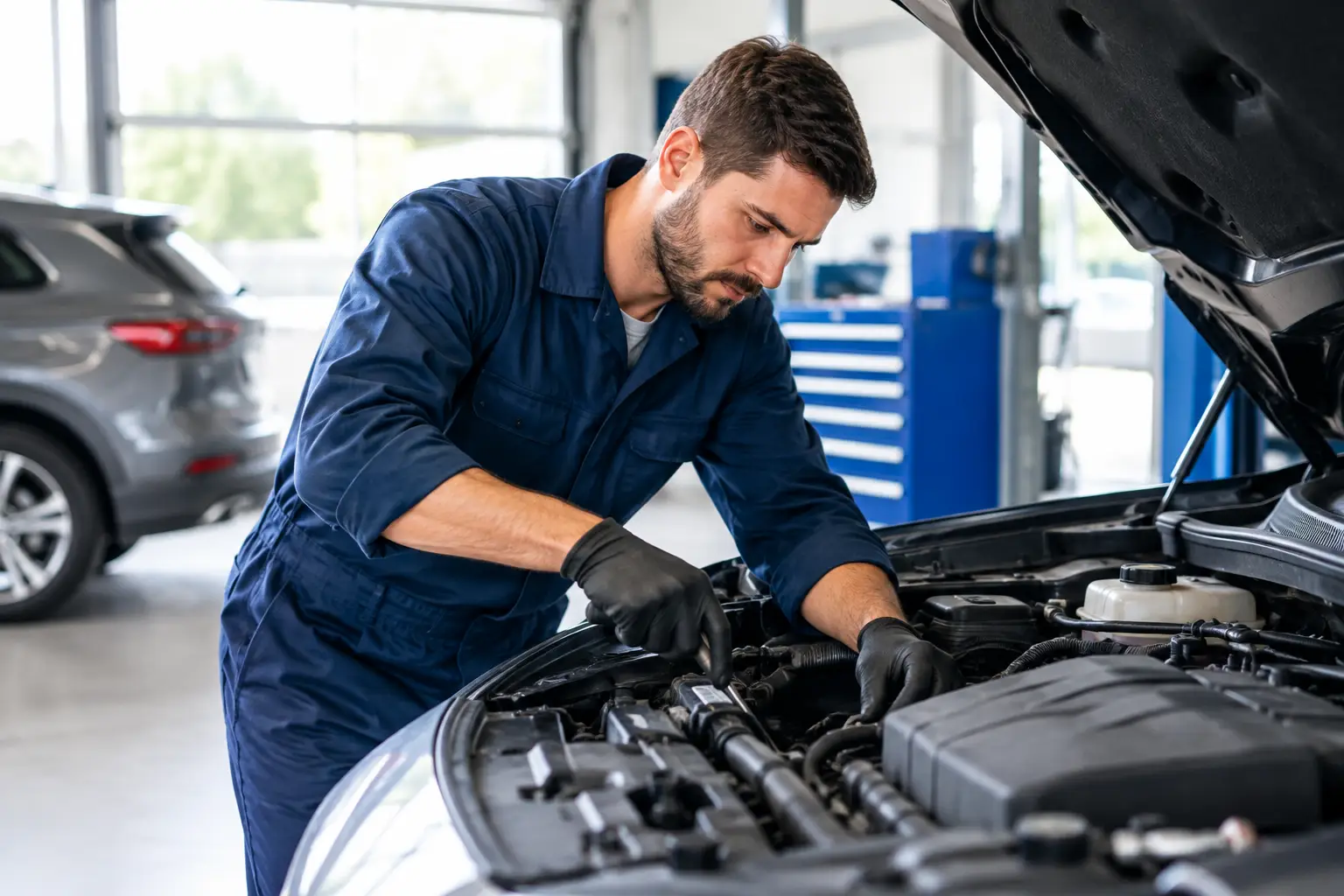
A dashboard warning light rarely appears at a convenient time. It may come on during the morning commute, before a family trip, or when you are already managing a busy week. Quality auto repair Flint drivers can rely on starts with a clear answer to a simple question: what is wrong, what does it take to fix it, and what can safely wait?
A dependable repair shop should make that process less stressful. Whether your vehicle needs an oil change, a brake inspection, electrical diagnosis, collision repair, or major engine work, you deserve straightforward communication and work that supports safe, reliable driving.
What Good Auto Repair in Flint Should Feel Like
Auto repair is not just about replacing parts. It is about understanding how a vehicle is performing, identifying the real cause of a problem, and helping the owner make an informed decision. A shop that takes the time to inspect and explain the issue can prevent unnecessary work and reduce the chance that a small concern becomes a larger expense.
For Flint-area drivers, reliable transportation often means getting to work, getting children to school, making medical appointments, and handling everyday errands without worry. That makes safety-related repairs especially important. Brakes that feel soft, tires with uneven wear, steering that pulls, or a vehicle that overheats should not be treated as problems to put off indefinitely.
Trust also comes from transparency. Before repairs begin, customers should understand the recommended service, the expected cost, and the reason the work matters. Sometimes a repair is urgent. Other times, it can be planned for a later visit. An honest conversation about that difference helps drivers prioritize their budget without overlooking safety.
Start With a Diagnosis, Not a Guess
Modern vehicles are complicated systems. A check engine light can point to something as simple as a loose fuel cap or as involved as a sensor, ignition, fuel, or emissions issue. The light itself does not provide a full repair plan.
Accurate diagnostics use modern equipment along with experienced technician judgment. Reading a trouble code is only the beginning. The technician may need to inspect wiring, test components, review live vehicle data, or look for mechanical problems that created the code in the first place. Replacing a part based only on a code can waste time and money if the underlying cause is missed.
The same principle applies to sounds, vibrations, and changes in performance. A squeal when braking may involve worn pads, but it could also relate to rotors, calipers, or hardware. A vibration at highway speed might be caused by tire balance, wheel damage, suspension wear, or alignment concerns. Good diagnosis narrows down the cause before the repair recommendation is made.
Symptoms Worth Scheduling Promptly
Some vehicle concerns are easy to ignore because the car still starts and moves. That does not always mean it is safe to keep driving. Schedule an inspection promptly if you notice a flashing check engine light, brake warning light, overheating, burning smell, fluid leak, grinding noise, hard starting, loss of power, or sudden changes in steering control.
A steady check engine light is not always an emergency, but it still deserves attention. Addressing it early may protect fuel economy, prevent damage to emissions components, and keep a minor drivability issue from becoming more disruptive.
Maintenance Is the Most Affordable Repair Strategy
Unexpected repairs cannot always be avoided. Road damage, failed electronics, and normal component wear can happen even with a well-maintained vehicle. Still, routine maintenance gives technicians the opportunity to catch many concerns before they lead to a breakdown.
Oil and filter changes protect the engine by removing contaminants and maintaining proper lubrication. Tire rotations can help tires wear more evenly. Brake inspections reveal pad and rotor wear before stopping performance becomes compromised. Fluid checks, belt inspections, battery testing, and cooling system service all support dependable day-to-day operation.
The right maintenance schedule depends on the vehicle, its mileage, driving habits, and manufacturer recommendations. A commuter who travels mostly highway miles may have different needs than a driver who makes frequent short trips in stop-and-go traffic. Older vehicles may also benefit from closer monitoring of suspension, seals, hoses, and electrical components.
Maintenance is not about selling every service at every visit. It is about creating a practical plan based on what the vehicle needs now and what may need attention soon. That approach gives owners time to prepare for future work instead of being surprised by preventable failures.
One Shop for Mechanical and Collision Needs
Vehicle damage does not always fit neatly into one category. A curb strike can damage a tire or wheel, affect alignment, and create suspension concerns. A collision can involve body panels, paint, frame alignment, lighting, mechanical parts, and safety systems. Handling these issues through separate providers can add time and confusion.
A full-service shop can be especially helpful when a vehicle needs both mechanical attention and appearance-related work. Services such as brake repair, tire service, suspension work, heating and air-conditioning repair, exhaust repair, electrical repair, engine repair, and transmission service all address how a vehicle drives. Bodywork, paint, rust repair, collision repair, and frame straightening help restore its structure and appearance after damage.
There are times when a repair may not make financial sense, particularly on an older vehicle with extensive damage or multiple major needs. A trustworthy shop should be willing to discuss those trade-offs plainly. The goal is not simply to repair everything possible. It is to help you make a sound decision based on safety, reliability, vehicle condition, and budget.
Questions to Ask Before Approving a Repair
A good repair conversation should leave you with confidence, not confusion. Ask what the technician found, what is causing the problem, and whether the repair is needed immediately. It is also reasonable to ask about the estimated timeline, available warranty support, and whether there are lower-cost options that still address the issue safely.
If several repairs are recommended, ask which ones are safety-critical and which ones can be monitored or scheduled later. Clear priorities are valuable for households managing a repair budget. A shop should be able to explain recommendations in plain language without making you feel pressured or talked down to.
It also helps to share details about when the problem occurs. Note whether a noise happens during braking, turning, accelerating, or driving at a certain speed. Mention recent repairs, dashboard warnings, impacts with potholes, or changes in fuel economy. These details can make diagnosis faster and more accurate.
Why Technician Experience and Communication Matter
Certified, experienced technicians bring more than technical skill to a repair. They recognize patterns, understand how systems interact, and know when a symptom may have more than one possible cause. Combined with modern diagnostic tools, that experience supports repairs that address the problem rather than temporarily masking it.
Communication is equally important. Vehicle owners should know what to expect from the time they schedule service through vehicle pickup. That includes updates if additional findings appear during an inspection and a clear explanation of completed work. Appointment-based service and drop-off options can make the process easier for drivers balancing work and family responsibilities.
DNC Auto Repair serves Flint drivers with that full-service mindset, helping customers address routine maintenance, complex repairs, and collision-related needs with one local team. For repairs that cannot be handled all at once, financing availability and practical repair planning can also help customers move forward without sacrificing essential safety work.
Give Small Changes the Attention They Deserve
Most vehicles give early signals before a major problem develops. A new noise, a warning light, reduced cooling from the air conditioner, a rough idle, or a tire that loses pressure repeatedly is worth checking. Waiting may seem less expensive in the moment, but it can turn a manageable repair into a more involved one.
Pay attention to how your vehicle feels after service, too. It should start reliably, stop confidently, track straight, and operate without new warning lights or unusual sounds. If something does not feel right, ask questions early. A trusted local repair relationship is built one clear conversation and one dependable visit at a time.
Leave a Reply