



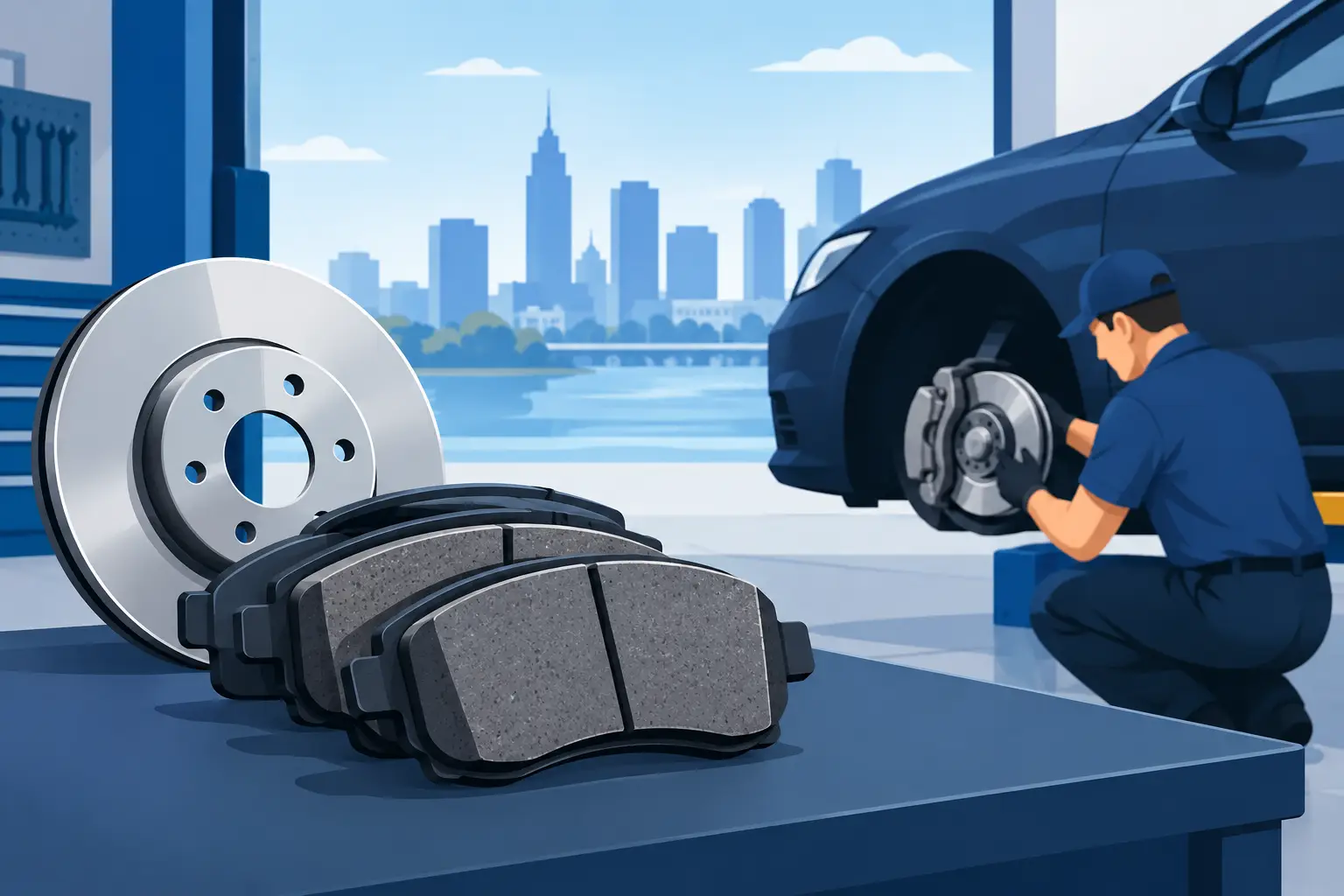
That sharp squeal when you stop at a light may be more than an annoyance. Your brake pads are designed to wear down over time, and the sound can be an early warning that it is time to have them checked. For brake pad replacement Flint drivers can rely on, the goal is straightforward: restore confident stopping power before worn components create a larger safety issue or a more expensive repair.
Brake service is not one-size-fits-all. A vehicle that handles daily Flint commuting, school drop-offs, and highway driving may wear its pads differently than a vehicle used mainly for short local trips. Road conditions, driving habits, vehicle weight, and the condition of other brake components all affect what your car needs. A proper inspection gives you clear answers instead of guesswork.
Signs You May Need Brake Pad Replacement in Flint
Brake pads create friction against the brake rotors to slow and stop your vehicle. The friction material gradually wears away with normal use. Most pads have a built-in wear indicator that makes a high-pitched squeal when the pad material gets low, but waiting for that noise is not always the best approach.
Pay attention to changes in how your vehicle feels when braking. A brake pedal that feels soft, requires more pressure, or sinks farther than usual deserves prompt attention. So does pulling to one side, vibration through the pedal or steering wheel, grinding sounds, or a brake warning light. These symptoms do not automatically mean you need only new pads. They can point to rotor wear, a sticking caliper, brake fluid concerns, or another issue in the system.
Grinding is especially urgent. It can mean the friction material is worn away and metal is contacting metal. At that point, continued driving can damage the rotors and reduce your ability to stop safely. Schedule an inspection as soon as possible rather than hoping the sound goes away.
Noise Is a Clue, Not a Diagnosis
Not every brake noise means replacement is needed immediately. Light surface rust can develop on rotors after rain, snow, or a vehicle sitting overnight, and it may clear after a few normal stops. Some pads also make occasional noise because of their material or temperature.
The difference is consistency and severity. A repeated squeal, grinding, scraping, vibration, or change in braking performance should be inspected by a qualified technician. A good brake evaluation identifies the cause and explains what is necessary now, what can be monitored, and why.
What a Professional Brake Inspection Should Include
Replacing pads without checking the rest of the braking system can leave the real problem unresolved. Brake pads work alongside rotors, calipers, brake fluid, hoses, hardware, and tires. If one part is not operating correctly, it can shorten the life of new pads or affect braking performance.
During a thorough inspection, technicians measure remaining pad material and evaluate rotor thickness and condition. They look for grooves, heat spots, uneven wear, corrosion, and warping that may affect smooth braking. They also inspect calipers to make sure they move and release properly, since a sticking caliper can wear one pad much faster than the other.
Brake hardware matters, too. Clips and shims help pads fit and move correctly. Worn or corroded hardware can contribute to noise or uneven wear. The technician should also check brake fluid condition and look for leaks or damaged hoses. Clear findings allow you to make a decision based on the condition of your vehicle, not a generic recommendation.
Do You Need Rotors With New Brake Pads?
Sometimes pads can be replaced while the existing rotors remain in service. Other times, rotors should be resurfaced or replaced at the same visit. It depends on their thickness, surface condition, runout, and the manufacturer’s specifications.
A rotor with deep grooves, heat damage, excessive rust, or insufficient remaining thickness may not provide a proper surface for new pads. Installing new pads on a damaged rotor can lead to noise, vibration, reduced braking quality, and premature pad wear. Replacing pads and rotors together often makes sense when both are worn, but it should be based on an inspection rather than an automatic upsell.
There is also a practical side to the decision. Resurfacing may be appropriate in some situations, but replacement can be the better value when a rotor is near its minimum thickness or the labor cost approaches the cost of a new part. Your service advisor should explain the options, costs, and expected result before work begins.
What Affects Brake Pad Replacement Cost?
Brake repair pricing varies by vehicle and by the condition of the system. Some vehicles use larger pads, specialty parts, electronic parking brake systems, or performance brake components that require additional labor or higher-cost parts. Luxury, heavy-duty, hybrid, and electric vehicles can also have service differences.
The final cost may depend on whether you need pads on the front, rear, or both axles; whether rotors need attention; whether calipers or hardware are worn; and the type of replacement pads selected. Front pads often wear sooner because the front brakes handle more stopping force, but rear brakes should never be ignored.
The lowest initial price is not always the best value if it means lower-quality parts or skipped inspection steps. On the other hand, not every brake job requires the most expensive option. The right choice balances your vehicle’s needs, your driving conditions, manufacturer requirements, and your budget. Transparent pricing means you understand the recommended work before approving it.
Why Timely Brake Service Protects More Than Your Pads
Delaying brake pad replacement can turn a routine maintenance service into a larger repair. Once pads wear too low, rotor damage becomes more likely. Uneven pad wear can also signal a caliper issue that needs correction before it affects a new set of pads.
More importantly, brakes are a safety system. Michigan weather adds another reason to keep them in good condition. Rain, snow, slush, and changing road surfaces all demand predictable braking. Healthy pads, properly functioning calipers, and smooth rotors help your vehicle respond the way you expect when traffic slows suddenly or conditions become slick.
Your tires also play a role. Even well-maintained brakes cannot provide their full benefit if tires have poor tread, incorrect pressure, or uneven wear. A complete vehicle care approach considers how braking, suspension, alignment, and tires work together to keep the vehicle stable and controllable.
Choosing a Flint Shop for Brake Service
You should leave a brake appointment knowing what was inspected, what was found, and what work was performed. Look for a repair shop that takes time to explain recommendations in plain language and gives you an estimate before repairs begin. That kind of communication helps remove the stress from an already important decision.
At DNC Auto Repair, experienced technicians inspect the complete brake system and help Flint-area drivers understand the condition of their vehicles. Whether you are hearing a new noise, feeling a vibration, or simply staying ahead of scheduled maintenance, the focus is on safe repairs, fair pricing, and dependable results.
If your brakes are making noise or do not feel right, do not wait for the issue to become obvious. A timely inspection can protect your vehicle, your budget, and the peace of mind that comes from knowing it will stop when you need it to.
Leave a Reply