



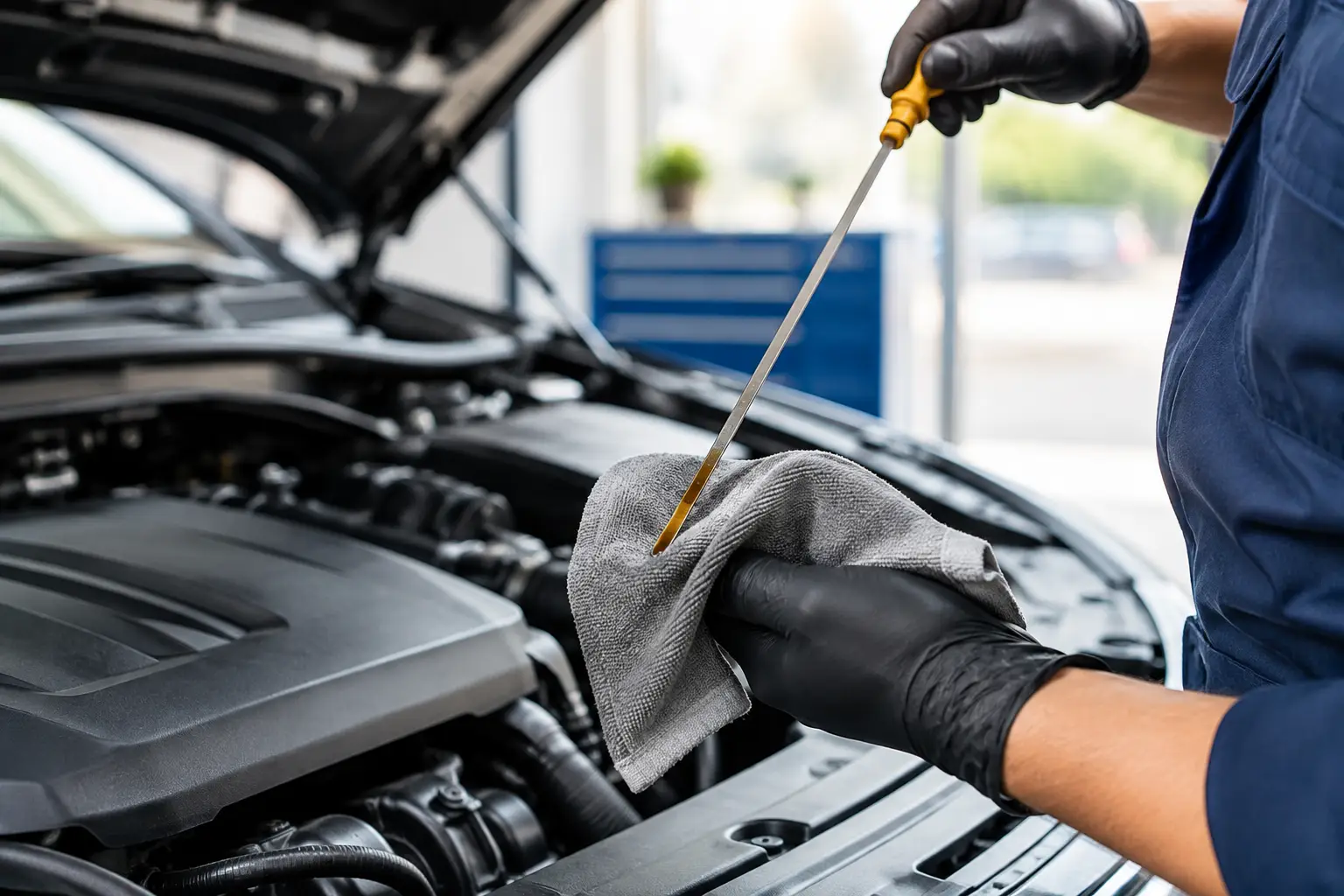
A dashboard reminder is easy to postpone when work, school drop-offs, and errands fill the week. But an oil change fluid check Flint drivers schedule on time can prevent small maintenance needs from turning into expensive engine, cooling, or transmission problems. Fresh oil protects moving engine parts. A complete fluid check gives you a clearer picture of how the rest of your vehicle is holding up.
For Flint drivers, routine maintenance matters even more through temperature swings, winter road conditions, short trips, and stop-and-go traffic. These conditions can be tough on oil, batteries, tires, brakes, and fluid systems. The goal is not to sell service you do not need. It is to identify concerns early, explain what was found, and help you make a sound decision for your vehicle and budget.
What Happens During an Oil Change Fluid Check in Flint?
An oil change starts with draining the old engine oil, replacing the oil filter, and adding the correct type and amount of new oil for your vehicle. The correct oil matters. Many newer vehicles require a specific viscosity or synthetic blend, and using the manufacturer-recommended oil helps support engine performance and warranty requirements.
A professional visit should go beyond simply changing the oil. During a fluid check, a technician looks at levels and condition where applicable, checks for visible leaks, and watches for signs that another system may need attention. This gives drivers a practical maintenance snapshot rather than a quick in-and-out service with no explanation.
The exact inspection varies by vehicle. Some modern transmissions and other systems are sealed or have specific procedures for checking fluid. A responsible shop will not guess or add fluid without understanding the vehicle’s requirements. If a service is recommended, you should know why it is needed, what it addresses, and what it is expected to cost before work moves forward.
The Fluids That Keep Your Vehicle Moving Safely
Engine oil gets the most attention because it lubricates internal engine components, helps control heat, and carries away contaminants. Over time, heat and normal use break oil down. Low or dirty oil can increase wear and may eventually contribute to serious engine damage.
Other fluids are just as connected to safe, dependable driving. A thorough visit may include a review of:
- Coolant or antifreeze, which helps prevent overheating in summer and freeze damage during Michigan winters.
- Brake fluid, which transfers pressure through the brake system when you press the pedal.
- Transmission fluid, which supports shifting and protects internal transmission components on vehicles designed for serviceable fluid checks.
- Power steering fluid, found on many vehicles with hydraulic steering systems.
- Windshield washer fluid, a simple but valuable item for clear visibility during slush, salt spray, rain, and snow.
Fluid level alone does not tell the whole story. Coolant can become contaminated, brake fluid can absorb moisture, and transmission fluid may show signs of overheating or wear. A technician considers the fluid’s condition, the maintenance schedule, vehicle mileage, symptoms, and any visible leaks before advising next steps.
When Is an Oil Change Due?
The best answer is found in your owner’s manual and your vehicle’s oil-life monitoring system, if equipped. Some vehicles need service around every 5,000 miles, while others using full synthetic oil may have longer intervals. The right interval depends on the engine, oil type, driving habits, vehicle age, and manufacturer recommendations.
Drivers who make frequent short trips may need to pay closer attention. On short drives, the engine may not reach operating temperature long enough to burn off moisture and contaminants. Towing, heavy loads, long idling periods, dusty conditions, and repeated stop-and-go driving can also be considered severe service by some manufacturers.
If you recently purchased a used vehicle and do not have clear maintenance records, an oil and fluid inspection is a sensible starting point. It establishes a baseline, helps you understand the vehicle’s current needs, and lets you plan maintenance instead of reacting to a warning light or breakdown.
Signs You Should Not Wait for Your Next Oil Change
Routine oil service should be scheduled before there is a problem, but some warning signs deserve prompt attention. An oil pressure warning light is different from a routine oil-change reminder. If the red oil pressure light appears, safely pull over as soon as possible and shut the engine off. Continuing to drive with low oil pressure can cause severe damage quickly.
Watch for fresh spots under the vehicle, a burning-oil smell, unusual engine noise, overheating, or a noticeable change in shifting behavior. A sweet smell inside or near the vehicle may point to a coolant issue, while a soft brake pedal or brake warning light needs immediate inspection. These symptoms do not always mean the repair will be major, but they are not issues to ignore.
It also helps to look under the hood between visits, especially before a road trip. Check the oil level according to your owner’s manual, and never open a hot radiator cap. If you are unsure what you are seeing, having a technician check it is safer than making assumptions or mixing the wrong fluid into a reservoir.
Why Leak Checks Matter
A low fluid level often has a cause. In some cases, it is normal use over a long period. In others, it can point to a worn gasket, hose, seal, radiator, brake line, or another component that needs repair. Topping off a fluid may address the immediate level, but it does not fix a continuing leak.
Finding a leak early can protect more than the system that is losing fluid. Oil leaking onto hot engine parts can create smoke and odor. Coolant leaks can lead to overheating. Brake fluid loss can affect stopping ability. Transmission fluid loss can cause poor shifting and internal damage. A careful inspection gives you the opportunity to repair the source before the vehicle leaves you stranded or the repair becomes more involved.
Straight Answers Help You Plan
A good maintenance appointment should leave you with clear information, not pressure. Ask which fluids were checked, whether any levels or conditions were concerning, and whether the recommendation is urgent, needed soon, or simply something to monitor. Those distinctions matter when you are balancing vehicle care with a household budget.
At DNC Auto Repair, certified and experienced technicians can handle routine oil changes and fluid checks while also diagnosing the mechanical, electrical, cooling, brake, and transmission concerns that may appear during an inspection. That means you can get a straightforward explanation and a repair plan without needing to visit several different shops.
Keep your service receipts and note the mileage of each oil change. That small habit makes future maintenance easier to plan and can be helpful when selling or trading in your vehicle. It also gives a technician useful history if an issue develops.
Your vehicle does not need to be making noise or showing a warning light to deserve attention. Scheduling routine oil service and fluid checks is one of the simplest ways to protect the transportation your family relies on every day.
Leave a Reply