



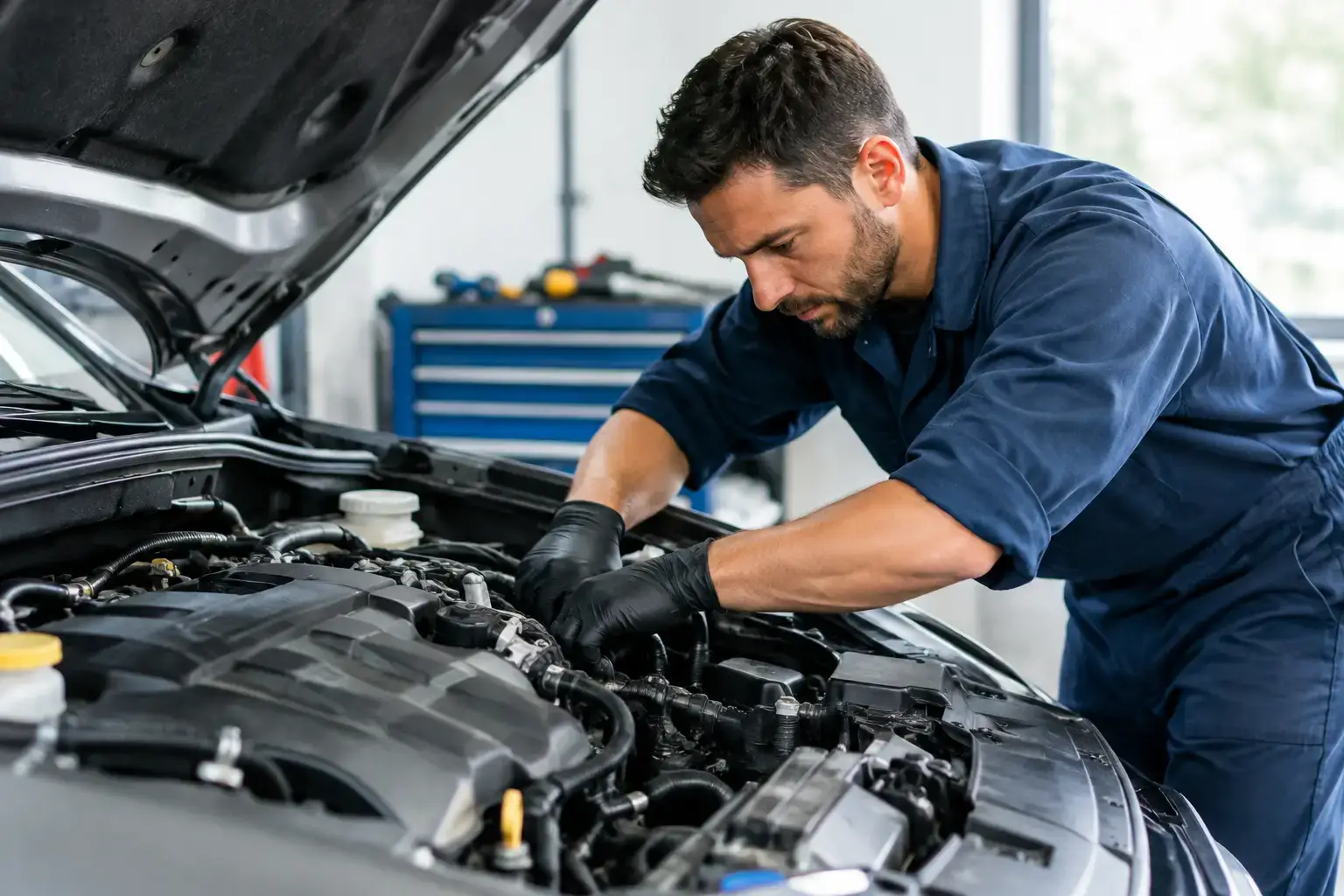
A check engine light is easy to put off when the car still starts and gets you where you need to go. But when that light comes with rough idling, knocking, smoke, lost power, or a new fluid leak, waiting can turn a manageable issue into a major expense. For engine repair Flint drivers can depend on, the first priority should be finding the actual cause, explaining it clearly, and making repairs that support safe, reliable driving.
When Your Engine Is Asking for Attention
Modern engines are built to last, but they rely on many systems working together. Fuel, air, spark, oil pressure, cooling, sensors, and timing components all have to do their jobs at the right moment. A problem in one area can create symptoms that feel serious, while a serious internal issue can sometimes begin with only a subtle change in how the vehicle runs.
Pay attention if your vehicle has a check engine light that stays on or flashes, especially if it is also shaking or losing acceleration. A flashing check engine light may indicate an active misfire that can damage the catalytic converter if the vehicle continues to be driven. Other warning signs include a tapping or knocking noise, hard starting, stalling, poor fuel economy, overheating, blue or white exhaust smoke, or a burning smell.
Oil and coolant deserve attention, too. Low oil, dirty oil, a visible oil leak, or coolant disappearing from the reservoir can point to problems that should not be ignored. An overheated engine can warp components or damage a head gasket, so it is safer to stop driving and arrange service if the temperature gauge climbs into the hot zone or steam comes from under the hood.
Not every engine symptom means the engine needs to be replaced. A worn spark plug, failing ignition coil, vacuum leak, faulty sensor, clogged fuel injector, or cooling-system issue can all affect performance. The right diagnosis separates a repairable supporting-system problem from an internal engine concern.
Engine Repair Flint: Start With Accurate Diagnosis
The best engine repair begins before any parts are ordered. A warning light code is useful information, but it is not a complete diagnosis. For example, a misfire code identifies the cylinder or condition affected, not necessarily the part that caused it. Replacing parts based only on a code can waste time and money.
A qualified technician should combine modern scan-tool data with hands-on testing. Depending on the symptoms, that may include checking for stored fault codes, reviewing sensor readings, inspecting ignition and fuel components, looking for leaks, testing battery and charging performance, and evaluating the cooling system. Compression or leak-down testing may be needed when there is concern about internal engine wear, valve damage, piston-ring issues, or a head gasket failure.
This process matters because it gives you a clearer repair plan. You should know what is wrong, what evidence supports the diagnosis, what repair is recommended, and whether there are options based on the condition of the vehicle. Clear communication is especially valuable when the repair is more involved than routine maintenance.
Common Repairs and What They Can Mean
Some engine-related repairs are straightforward and preventive. Replacing worn spark plugs, ignition coils, belts, hoses, filters, or sensors can restore smooth operation and prevent further trouble. Addressing a small oil or coolant leak early may also protect larger components from damage.
Other repairs require more labor and careful planning. Timing belt or timing chain concerns, for example, should be handled promptly. On engines that use an interference design, a broken timing belt or chain can allow internal parts to collide, creating extensive damage. Water pump repairs may be recommended alongside timing service when both components are accessed through the same area, which can reduce duplicate labor later.
Cooling-system failures can also affect the engine itself. A failing thermostat, radiator, hose, water pump, or cooling fan may cause overheating. If overheating has happened repeatedly, the repair process may need to include tests for a damaged head gasket or warped cylinder head.
In more severe cases, an engine may need significant internal work, rebuilding, or replacement. That decision depends on the vehicle’s age, mileage, overall condition, repair cost, and how long you plan to keep it. A trustworthy shop will help you understand the trade-off instead of treating replacement as the automatic answer.
Why Delaying Repairs Usually Costs More
It is understandable to worry about the cost of engine work. Still, delaying a confirmed issue often adds to the final bill. A minor coolant leak can lead to overheating. An ignition misfire can harm the catalytic converter. Low oil pressure can cause damage to bearings and other moving parts that depend on lubrication.
There is also a safety and reliability side to the decision. A vehicle that stalls at intersections, loses power on the highway, or overheats during a commute is not simply inconvenient. It can leave you stranded when you need to get to work, pick up children, or handle everyday responsibilities.
The practical approach is not to approve every repair without questions. It is to have the concern inspected early, get a clear estimate, and ask what happens if the repair is postponed. That conversation helps you make an informed decision based on urgency, budget, and the vehicle’s condition.
Protecting Your Engine Between Visits
Regular maintenance remains one of the most effective ways to avoid unexpected engine repairs. Oil changes should follow your vehicle manufacturer’s recommended interval and use the correct oil type. Engine oil does more than keep components moving smoothly. It helps control heat and carries contaminants to the filter.
Keep an eye on fluid levels and check under the vehicle for fresh spots on the driveway. Listen for new noises rather than waiting to see if they disappear. If the check engine light comes on, schedule diagnostic service even if the vehicle seems normal. Many issues are less expensive to address before they affect other systems.
Flint-area driving can be demanding on a vehicle. Short trips, stop-and-go traffic, seasonal temperature changes, potholes, and winter conditions all add wear. Keeping up with oil service, cooling-system checks, tune-up needs, battery testing, and tire care supports dependable performance throughout the year.
What to Expect From a Local Repair Shop
Engine work can feel stressful because the symptoms are often unfamiliar and the costs can vary widely. You deserve a repair experience that is straightforward. A professional shop should inspect the concern, explain the findings in plain language, provide transparent pricing before work begins, and communicate if additional issues appear during the repair.
Ask whether the recommended repair addresses the root cause, not just the dashboard warning. It is also reasonable to ask about parts and labor warranty coverage, expected turnaround time, and whether financing options are available for qualifying repairs. These are practical questions, particularly when a vehicle is essential to your household.
DNC Auto Repair provides Flint drivers with diagnostic, maintenance, mechanical, electrical, cooling, and engine services in one local shop. That broader capability can be helpful when an engine symptom involves more than one system, such as a performance concern tied to electrical testing or a cooling issue connected to overheating.
A Few Questions Drivers Often Ask
Can I drive with the check engine light on? A steady light may allow limited driving in some situations, but it should be checked soon. If the light flashes, the engine runs roughly, the temperature rises, or warning lights appear with smoke or unusual noises, stop driving when it is safe to do so.
Does an engine noise always mean major damage? No. Some noises come from accessories, belts, pulleys, valves, or ignition-related problems. But knocking, loud ticking, grinding, or persistent rattling should be inspected promptly because the sound alone cannot confirm the cause.
Is repairing an older vehicle worth it? It depends on the repair cost, the vehicle’s overall condition, its maintenance history, and the cost of replacing it. A good inspection gives you the information needed to compare those options realistically.
A vehicle rarely chooses a convenient time to develop an engine problem. Addressing warning signs early and working with technicians who explain the repair clearly can keep a small concern from becoming the reason your car is off the road.
Leave a Reply