



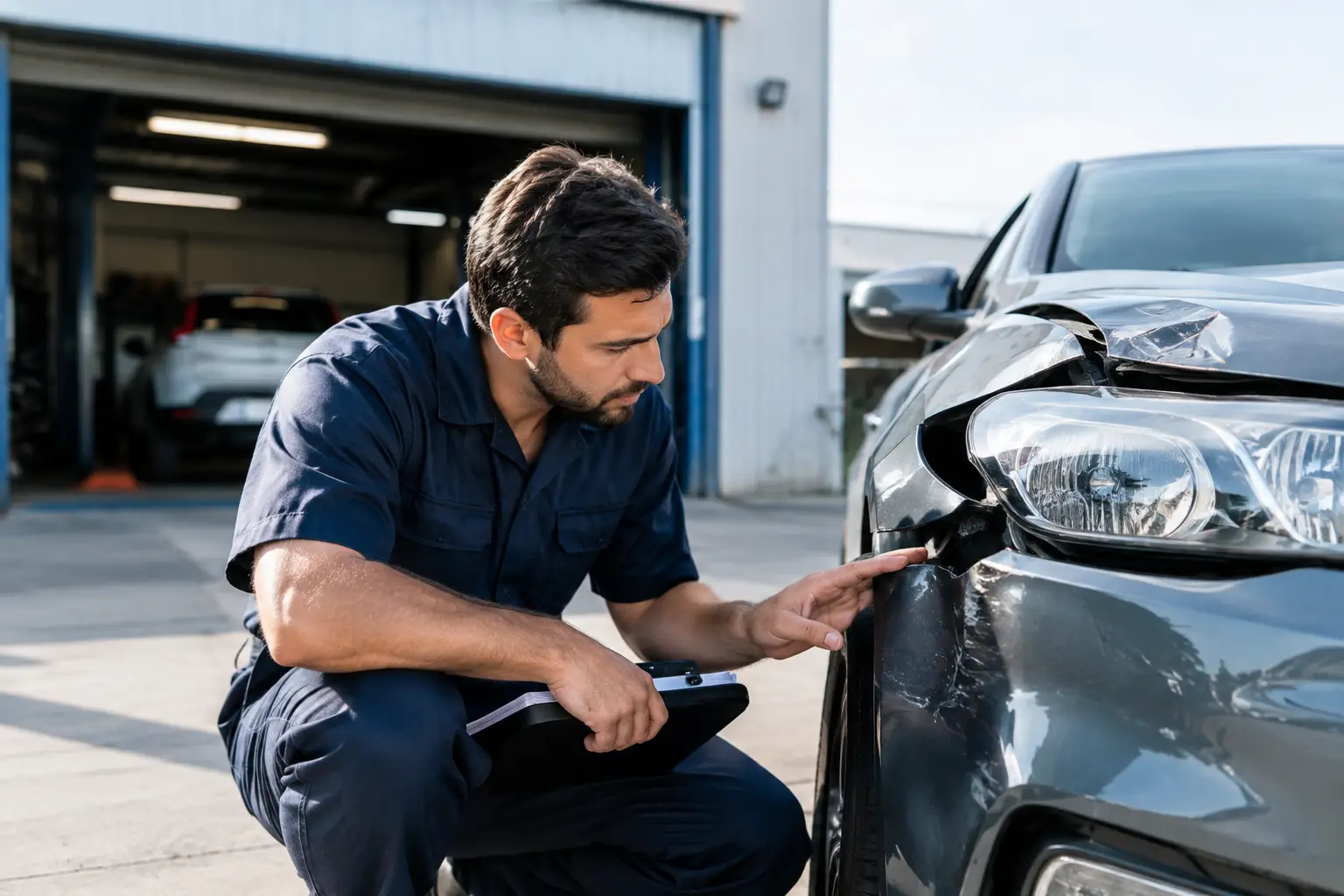
A collision can turn an ordinary drive through Flint into a long list of questions. Is the vehicle safe to drive? Will insurance cover the damage? How long will repairs take? For collision repair Flint drivers can depend on, the goal should be more than making a vehicle look better. It should be restoring the safety, alignment, and dependable performance you need for daily life.
Start With Safety, Not Appearance
After a crash, visible dents and scratches are often the first things people notice. They are not always the most serious concern. A damaged bumper can hide broken mounting points, a shifted cooling component, damaged sensors, or structural issues behind the surface. Even a low-speed impact can affect wheel alignment, suspension parts, headlights, door operation, or the vehicle’s safety systems.
If the vehicle has fluid leaks, warning lights, steering changes, tire damage, loose panels, or trouble opening and closing doors, do not assume it is safe for regular driving. Arrange for an inspection before getting back on the road. Taking photos of the damage, the accident location, and any relevant paperwork can also help when you contact your insurance company.
A thorough inspection gives you a clearer picture of what happened and what needs attention. That means looking beyond the damaged panel to the components that support it, connect to it, or may have absorbed part of the impact.
What a Complete Collision Repair Should Address
Quality collision work is not a one-size-fits-all service. The right repair plan depends on the vehicle, where it was hit, the severity of the collision, and whether mechanical systems were affected. Some vehicles need refinishing and panel repair. Others need frame straightening, replacement parts, sensor checks, or related mechanical repairs.
Body and Paint Damage
Bodywork may involve repairing dents, replacing damaged panels, correcting panel gaps, and preparing the surface for paint. Proper paintwork takes careful preparation. The damaged area must be cleaned, leveled, primed, and color-matched so the repaired section blends with the rest of the vehicle.
A fast paint job may seem appealing after an accident, especially when you want your car back quickly. But rushing preparation can lead to uneven color, poor adhesion, visible edges, or an early loss of finish. The right approach balances turnaround time with work that holds up through Michigan weather, road salt, and regular washing.
Frame, Alignment, and Suspension Concerns
A hard hit can shift a vehicle’s structural points or affect the suspension. Warning signs include a steering wheel that no longer sits straight, uneven tire wear, pulling to one side, vibration, or a vehicle that feels different over bumps. These issues can make driving less predictable and can shorten the life of tires and suspension components.
Frame straightening and alignment work require accurate measuring and the right equipment. A vehicle can look straight from the outside while still needing structural correction. Addressing those concerns protects handling and helps ensure replacement body panels fit as they should.
Lights, Sensors, and Mechanical Systems
Modern vehicles place a lot of equipment behind bumpers, grilles, mirrors, and windshields. Depending on the model, a collision may affect parking sensors, backup cameras, blind-spot monitoring, radar equipment, lighting, wiring, air-conditioning components, or cooling systems.
That is one reason a repair shop should check the complete condition of the vehicle, not simply replace what is visibly broken. If a warning light appeared after the accident, or if the vehicle runs hot, makes new noises, or has electrical problems, mention it during the estimate. Clear information helps the technician inspect the right systems from the start.
Understanding the Estimate and Insurance Process
An estimate should give you a straightforward explanation of the visible damage, recommended work, and expected costs. After disassembly begins, additional damage may be found behind a panel or bumper. That does not automatically mean something went wrong. Hidden damage is common after a collision because many parts are designed to absorb impact out of sight.
When additional work is needed, you deserve clear communication about why it matters, what parts or labor are involved, and how it may affect the repair timeline. Ask questions if an estimate uses terms you do not recognize. A good shop should explain the repair in plain language without making you feel rushed or talked down to.
Insurance can add another layer of stress, but the repair process is easier when records are organized. Keep your claim number, adjuster contact information, photos, and any insurer documents available. Your coverage, deductible, and policy details affect what you pay, while the actual repair needs should be based on restoring the vehicle safely and correctly.
Choosing a Collision Repair Shop in Flint
The shop you choose should be able to evaluate both the visible damage and the parts of the vehicle that may have been affected underneath. Experience with body repair matters, but collision work often overlaps with diagnostics, suspension, alignment, tires, electrical systems, heating and air-conditioning, and mechanical repair.
That broader capability can save time when an accident causes more than cosmetic damage. Rather than sending your vehicle to multiple locations for separate concerns, you may be able to address the full repair plan through one local service relationship. DNC Auto Repair provides body, paint, rust repair, frame straightening, and mechanical services from one Flint location, helping customers handle collision-related needs with a clearer path forward.
When comparing shops, look for clear estimates, experienced technicians, modern diagnostic capabilities, transparent updates, and a commitment to safety. Price matters, especially for households managing a deductible or an unexpected repair, but the lowest initial quote is not always the best value if needed structural, mechanical, or calibration work is left out.
Do Not Ignore Small Damage for Too Long
Not every scrape requires major bodywork, but small collision damage can become more expensive when it is left untreated. Chipped paint exposes metal to moisture and road salt. A bent splash shield can drag or loosen further. A cracked light housing may allow moisture inside and reduce visibility. Damaged bumper covers and loose trim can become safety or inspection concerns.
Rust is especially worth addressing early in the Flint area. Once corrosion begins around a scratch, dent, wheel opening, or damaged seam, it can spread beneath the paint. Repairing the problem while it is localized is often less complicated than waiting until the metal needs more extensive restoration.
Help Your Vehicle Stay Road-Ready After Repairs
Once collision repairs are complete, pay attention during the first few weeks of driving. Check that doors, hood, trunk, and windows operate normally. Notice whether the vehicle tracks straight, brakes smoothly, and has no new warning lights or unusual noises. If something feels off, report it promptly rather than hoping it goes away.
Continue with routine maintenance as well. An oil change, tire rotation, alignment check, brake inspection, or cooling-system service may not seem related to a past accident, but regular service helps catch developing issues before they interrupt your commute or family schedule.
The right collision repair gives you more than a cleaner-looking vehicle. It gives you confidence when you turn the key, pull onto I-475, or load up for the next school, work, or weekend trip.
Leave a Reply