



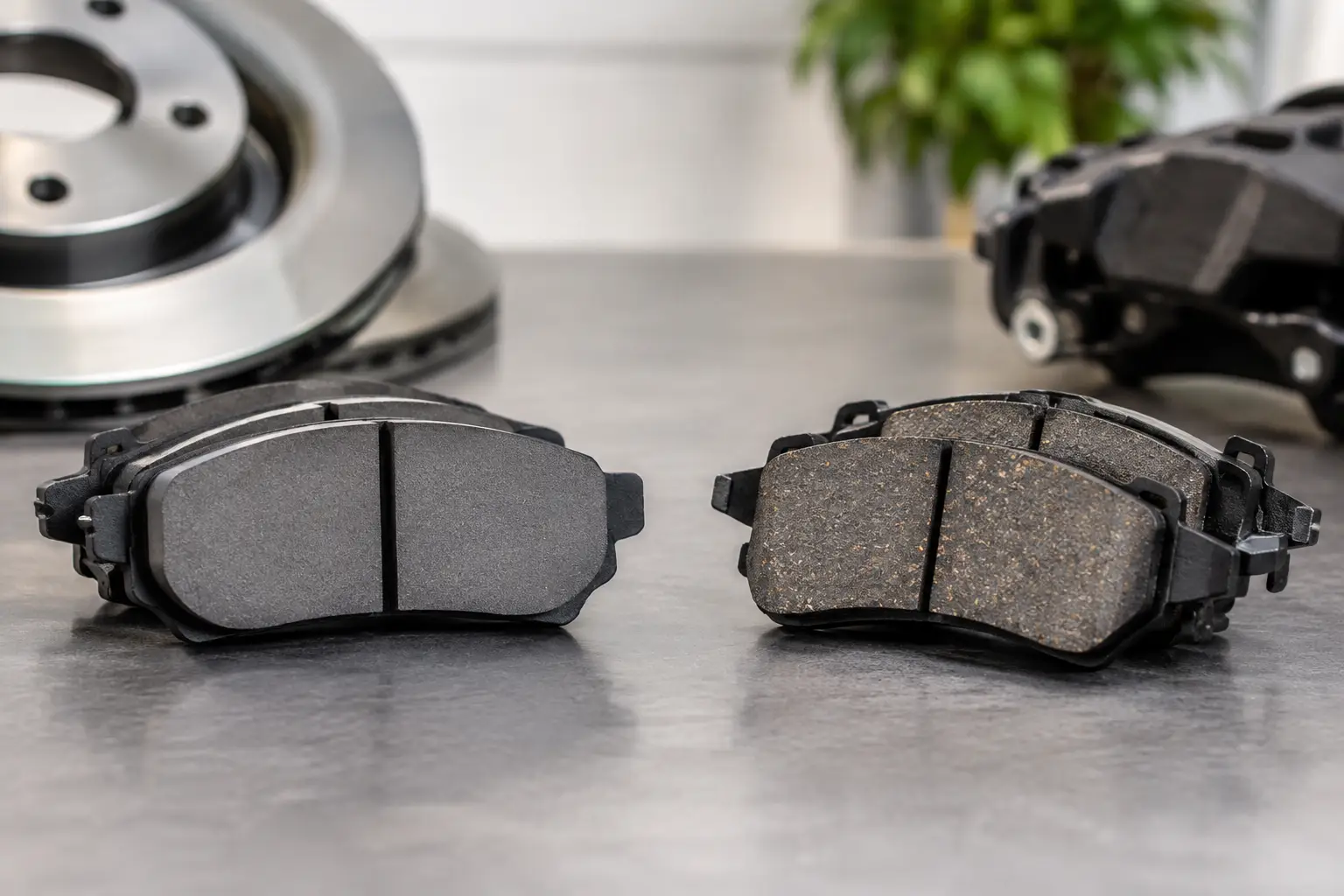
A brake pad replacement can look simple on an estimate until you see two choices: OEM and aftermarket. The OEM versus aftermarket brake pads decision affects more than the price on the invoice. It can change how your brake pedal feels, how much dust collects on your wheels, how quietly the vehicle stops, and how well the pads hold up through Flint winters and daily commuting.
There is no single right choice for every vehicle or driver. The best brake pad is the one that fits your vehicle, driving habits, budget, and the condition of the rest of the braking system. A quality repair starts with a clear explanation of those factors, not a one-size-fits-all recommendation.
What OEM Brake Pads Are
OEM stands for Original Equipment Manufacturer. In practical terms, OEM brake pads are made to meet the specifications the vehicle manufacturer chose for that make and model. They are designed to work with the original brake rotors, calipers, brake system calibration, and intended driving characteristics of the vehicle.
For many drivers, OEM pads provide the most predictable experience. If you liked how your vehicle braked when it was newer, OEM pads are often the closest match for pedal feel, noise level, and everyday performance. They can be a particularly sensible choice for newer vehicles, vehicles still under warranty, and models with brake systems that are known to be sensitive to pad material.
The trade-off is cost. OEM parts may cost more than some aftermarket options, and availability can sometimes affect repair timing. Higher price does not automatically mean OEM pads are the best choice in every situation, but it does mean you are paying for a part built around the manufacturer’s original specifications.
What Aftermarket Brake Pads Are
Aftermarket brake pads are made by companies other than the vehicle manufacturer. That does not mean they are low quality. Many respected brake manufacturers produce excellent aftermarket pads, including options that meet or exceed original specifications in particular areas.
Aftermarket pads come in different materials and designs. Ceramic pads are commonly chosen for quiet operation and reduced brake dust. Semi-metallic pads can provide strong stopping performance and good heat management, which may suit heavier vehicles or more demanding driving. Organic pads are often quieter and less expensive, though they may wear faster or create a softer pedal feel depending on the application.
The wide range of aftermarket choices is both an advantage and a reason to be careful. One low-cost pad may be very different from another premium aftermarket pad. Comparing a quality ceramic pad with the cheapest available replacement is not a fair comparison. The brand, material, vehicle fitment, and warranty all matter.
OEM Versus Aftermarket Brake Pads: The Differences That Matter
The question is rarely just, “Which pads cost less?” Brake pads work as part of a system. The right selection depends on what you expect from your vehicle and what condition its rotors, calipers, brake fluid, and hardware are in.
Stopping performance and pedal feel
OEM pads are engineered to deliver the braking response the manufacturer intended. That can make them a reliable choice when consistent, familiar brake feel is the priority. They are often well suited for normal daily driving, school drop-offs, commuting, and highway travel.
Quality aftermarket pads can also provide excellent stopping performance. In some cases, an aftermarket option may be better suited to a driver’s needs than the original pad design. For example, a heavier SUV that regularly carries passengers or equipment may benefit from a pad material designed to manage heat well. The key is selecting a proven part made specifically for the vehicle, not simply choosing the lowest-priced option.
Noise, dust, and rotor wear
Brake noise is frustrating, especially when it starts soon after a brake job. Pad material plays a major role in squealing, grinding, dust production, and rotor wear. OEM pads are generally tuned to balance these concerns according to the manufacturer’s standards, but they are not always the quietest or lowest-dust option available.
Premium ceramic aftermarket pads are often popular with drivers who want cleaner wheels and quieter braking. However, no pad can guarantee zero noise in every weather condition. Rust on rotors, worn caliper hardware, sticking caliper slides, or improper installation can create noise regardless of which pad is installed.
Some aggressive pad compounds can also wear rotors faster. That may be worthwhile for drivers who need high-temperature performance, but it is usually unnecessary for a typical commuter vehicle. A technician should consider rotor condition and recommend whether resurfacing or replacement is needed along with new pads.
Cost and long-term value
Aftermarket pads usually offer more price flexibility. A good aftermarket option may lower the immediate repair cost while still delivering dependable everyday braking. That can be valuable for budget-conscious households, especially when a vehicle needs rotors, hardware, or other repairs at the same time.
Still, the lowest upfront price is not always the lowest total cost. Pads that wear unevenly, create constant noise, damage rotors, or do not fit properly can lead to another repair sooner than expected. Value comes from using quality parts, installing them correctly, and addressing the issue that caused the pads to wear in the first place.
OEM pads may cost more initially, but their predictable fit and manufacturer-matched performance can make sense for drivers who want to maintain the original driving experience. The better investment depends on the vehicle and the repair plan, not on the label alone.
Warranty and fitment
Both OEM and quality aftermarket parts may include warranty coverage, but the terms can differ. Warranty coverage is useful, yet it should not be the only reason to choose a part. Ask what the warranty covers, how long it lasts, and whether labor is included if a part fails.
Correct fitment matters just as much. Modern brake systems may use wear sensors, shims, clips, electronic parking brake components, or specialized hardware. The pads need to match the vehicle’s exact year, make, model, trim, and brake package. A qualified technician checks those details before installing parts.
When OEM Pads Are Usually a Strong Choice
OEM pads are often a good fit when your vehicle is newer, you want factory-like braking behavior, or your manufacturer has a specific brake design that benefits from original-spec parts. They can also be a sensible option if you have had problems with brake noise or pedal feel after using a different pad type in the past.
Drivers of luxury vehicles, high-performance models, and vehicles with advanced driver-assistance systems may also prefer OEM pads for peace of mind. The brake pads themselves do not control features like automatic emergency braking, but the entire braking system needs to operate correctly for the vehicle to perform as designed.
When Aftermarket Pads May Be the Better Fit
A premium aftermarket pad can be an excellent choice for a daily driver that is out of warranty and needs dependable, reasonably priced service. Ceramic pads may appeal to drivers who are tired of dark brake dust on alloy wheels. A properly selected semi-metallic pad may be appropriate for a truck, SUV, or vehicle that works harder than the average commuter car.
Aftermarket parts also give your repair shop the ability to match the pad to a specific concern. If your priorities are quiet operation, lower dust, long life, or strong performance under load, there may be an aftermarket option that better serves those needs than the original pad material.
The Rest of the Brake Job Matters Just as Much
New pads cannot compensate for a damaged rotor, seized caliper, leaking brake fluid, or worn hardware. Uneven pad wear can signal that a caliper is sticking. A steering wheel shake during braking can point to rotor runout, rotor thickness variation, or a suspension concern. A soft pedal may indicate a hydraulic issue that deserves immediate attention.
That is why a complete brake inspection should include more than a quick look at pad thickness. The technician should inspect the pads, rotors, calipers, hoses, brake fluid condition, hardware, and tire-related factors that can affect stopping and handling. Clear recommendations help you understand what needs attention now and what can be monitored for a future visit.
At DNC Auto Repair, the goal is to help Flint-area drivers make an informed decision, whether that means OEM pads or a quality aftermarket option. Your vehicle should leave the shop with brakes that are properly matched, professionally installed, and ready for the roads you drive every day.
If you hear grinding, feel vibration when stopping, notice a brake warning light, or need to press the pedal farther than usual, do not wait for the next scheduled oil change. A timely brake inspection can turn an uncertain choice into a straightforward repair and help keep every trip safer.
Leave a Reply