



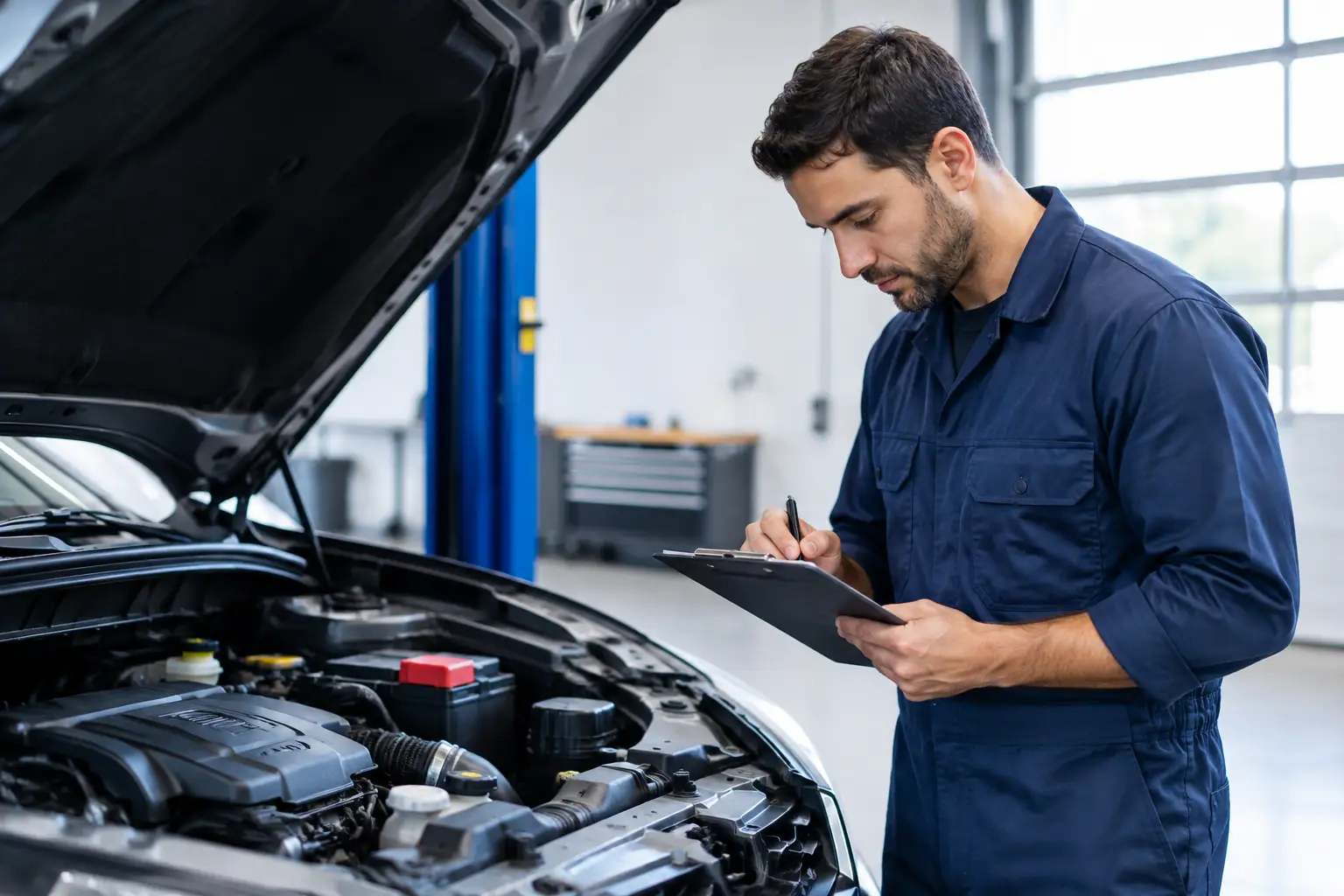
A warning light is not the only sign a vehicle needs attention. Worn brakes can feel normal until a hard stop is required, tires can lose safe traction before they look completely flat, and a small steering issue can become much more noticeable on a wet Flint road. A vehicle safety inspection Flint drivers can rely on looks beyond the obvious to identify concerns before they leave someone stranded or put their family at risk.
Michigan does not require most passenger vehicles to pass a routine statewide safety inspection each year for registration. That does not make regular inspections optional from a practical standpoint. Daily commuting, changing weather, potholes, road salt, and normal mileage all put wear on the systems that help a vehicle stop, steer, see, and stay controlled.
What a Vehicle Safety Inspection in Flint Should Cover
A helpful inspection should give you a clear picture of your vehicle’s current condition, not a confusing list of technical terms. The goal is to identify immediate safety concerns, upcoming maintenance needs, and items that are still in good shape. A qualified technician should explain what was found, why it matters, and what can reasonably wait.
Brakes, Tires, and Steering
Brakes are one of the first areas to inspect because stopping distance matters every time traffic slows unexpectedly. A technician may check brake pad thickness, rotor condition, brake fluid, lines, hoses, calipers, and the parking brake. Squealing, grinding, a soft pedal, pulling during braking, or a brake warning light should never be ignored.
Tires deserve the same attention. An inspection can reveal uneven tread wear, low tread depth, damaged sidewalls, slow leaks, improper inflation, or a tire that is aging out even though it still holds air. Uneven wear may point to an alignment, suspension, or steering issue rather than a tire problem alone.
Steering and suspension components help keep the vehicle stable and responsive. Loose tie rods, worn ball joints, weak shocks or struts, and damaged control arm components can affect handling and tire life. Flint-area roads can be especially hard on these parts, so a clunk over bumps, vibration in the steering wheel, drifting, or a vehicle that feels unstable should be checked promptly.
Lights, Visibility, and Electrical Basics
A vehicle needs to be seen as well as stopped. A safety inspection should include headlights, high beams, brake lights, turn signals, hazard lights, reverse lights, and license plate lights. Cloudy headlight lenses, weak bulbs, or intermittent electrical connections can reduce visibility at the worst possible time.
Windshield wipers, washer fluid, mirrors, and the windshield itself also matter. Wipers that streak or skip may seem minor in dry weather, but they can quickly become a safety issue during rain or snow. A cracked windshield can interfere with visibility depending on its location and size.
The battery, charging system, and starting system are worth checking too, particularly before winter. A vehicle that starts slowly, has dimming lights, or needs frequent jump-starts may have a weak battery or charging concern that should be addressed before it becomes a no-start situation.
Fluids, Leaks, and Under-the-Hood Condition
Fluids help protect major systems from damage. During an inspection, technicians may look at engine oil, coolant, brake fluid, transmission fluid where applicable, power steering fluid on older vehicles, and windshield washer fluid. Low fluid levels do not always mean a serious problem, but they can signal a leak or a maintenance item that needs attention.
Visible leaks should be evaluated instead of simply topped off. Oil, coolant, brake fluid, or transmission fluid on the ground can lead to expensive repairs if the source is not identified. Brake fluid leaks are especially urgent because they can reduce braking performance.
Belts, hoses, filters, and the condition of the engine compartment can also offer clues about future reliability. Catching a cracked hose or worn belt early is generally easier and less stressful than dealing with overheating or a breakdown on the road.
When to Schedule a Safety Inspection
Many drivers wait until something feels wrong. A better approach is to schedule an inspection at times when the results can help you plan ahead. Consider a check before a long road trip, before winter weather arrives, after hitting a deep pothole or curb, or when buying a used vehicle.
It also makes sense to request an inspection when routine maintenance is due. An oil change, tire rotation, brake service, or seasonal checkup can be a convenient time to review the vehicle’s overall safety condition. This gives you a chance to address small concerns before they create a larger repair bill.
After a collision, even a minor one, an inspection is a smart decision. A bumper may look fine while suspension, steering, alignment, lighting, or frame-related components have been affected. If the vehicle pulls, vibrates, has a new warning light, or a panel no longer fits correctly, it should be evaluated.
Warning Signs That Should Not Wait
Some concerns call for an appointment soon. Others mean the vehicle should not be driven until it has been checked. A flashing check engine light, brake warning light, overheating, smoke, a strong fuel smell, grinding brakes, or sudden loss of steering control require immediate attention.
Other warning signs may be less urgent but still deserve a professional look: repeated tire-pressure loss, unusual exhaust noise, shaking at highway speeds, a new clunk or squeal, difficulty starting, or an air-conditioning or defrost issue that limits clear visibility. The exact repair depends on the cause. A sound from the front of the vehicle could be a simple loose component, a worn suspension part, or something else entirely, which is why diagnosis matters.
What to Expect From a Clear Inspection Process
A trustworthy inspection should not pressure you into approving every recommendation at once. Safety-related repairs should be identified clearly, while maintenance items and future needs should be separated so you can make an informed decision.
Ask for an explanation in plain language. You should understand which part needs attention, what symptoms it is causing, whether the vehicle is safe to drive, and what could happen if the repair is delayed. Photos or a walk-through can be helpful when a component is accessible, especially for brake, tire, suspension, or body-related concerns.
Price also matters. The lowest estimate is not always the best value if it leaves out needed parts, uses poor-quality components, or does not address the actual cause of the problem. On the other hand, replacing parts without proper testing is not a solution either. Good service combines accurate diagnosis, a clear estimate, and work that fits the vehicle’s needs and your budget.
One Local Shop for Mechanical and Collision Concerns
Vehicle safety is not limited to what happens under the hood. A damaged bumper, bent wheel, misaligned frame, failing headlight, rusted exhaust component, or electrical issue can all affect how safely a vehicle operates. Having one local repair relationship for inspection, maintenance, mechanical repairs, tires, diagnostics, and collision-related work can make the process simpler.
At DNC Auto Repair, the focus is on helping Flint drivers understand the condition of their vehicle and make practical repair decisions. Certified, experienced technicians can inspect safety-related systems, explain findings clearly, and help prioritize work based on urgency. Whether your vehicle needs a seasonal check, brake evaluation, tire service, or inspection after an accident, clear communication helps take some of the uncertainty out of repair.
A vehicle rarely chooses a convenient time to develop a problem. Scheduling a safety inspection before the next long commute, weekend trip, or weather change gives you more choices, more time to budget, and more confidence each time you turn the key.
Leave a Reply