



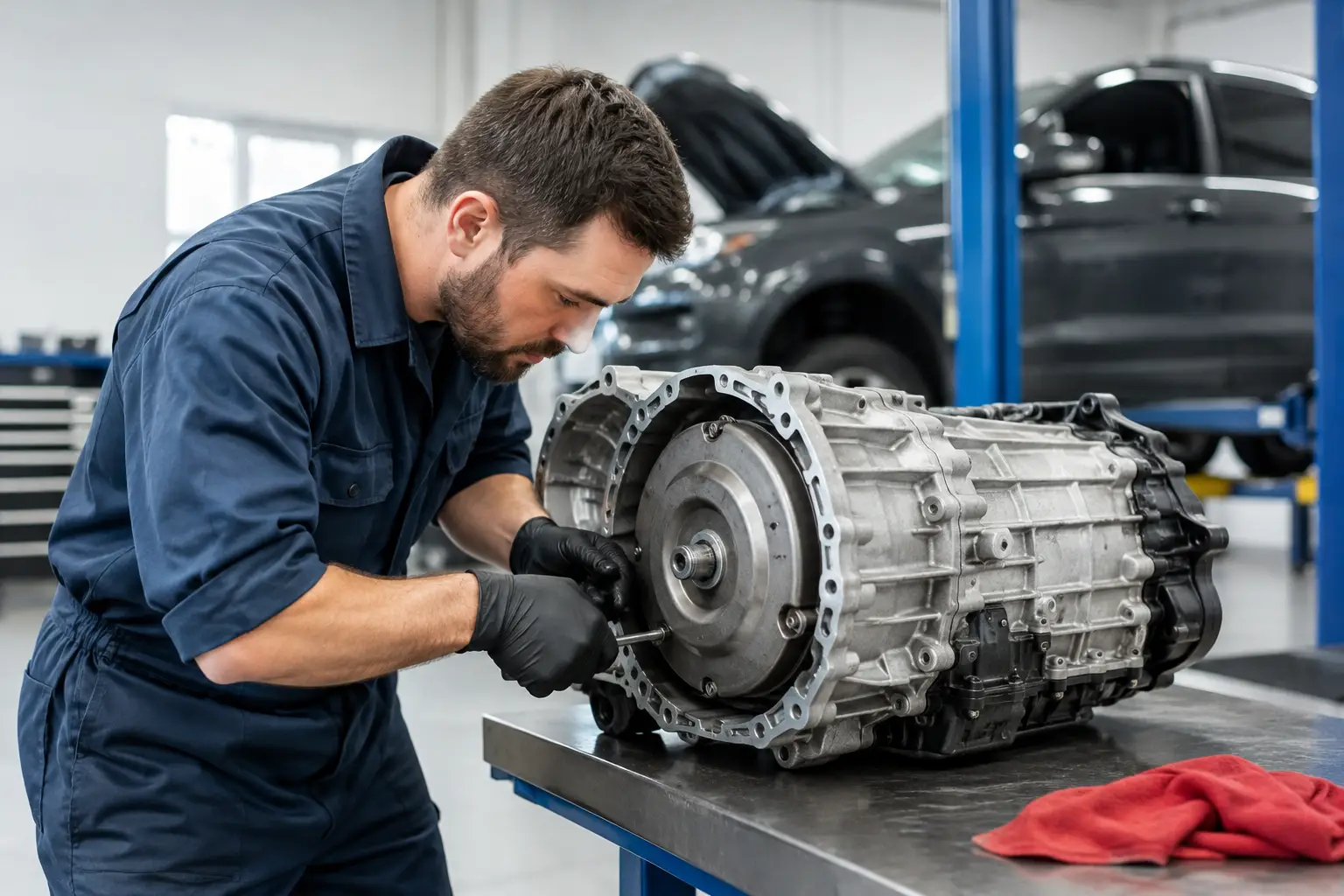
A transmission problem rarely starts with a dramatic breakdown. It may begin with a hesitation when pulling away from a light, a rough shift on the way to work, or a small fluid spot in the driveway. When those signs appear, finding a transmission repair shop Flint drivers can rely on can help prevent a minor concern from becoming a much larger repair.
Your transmission transfers engine power to the wheels and helps your vehicle shift smoothly at different speeds. Whether your vehicle has an automatic, manual, continuously variable transmission, or a modern electronically controlled unit, it depends on the right fluid, pressure, sensors, and mechanical components to work together. When something changes, a proper diagnosis matters more than guessing.
Signs You May Need Transmission Repair in Flint
A transmission issue does not always mean the entire unit needs to be replaced. Low or contaminated fluid, a worn seal, a faulty sensor, or an electrical issue can create symptoms that feel serious but may have a more targeted repair. The only way to know is to have the vehicle inspected by experienced technicians using the right diagnostic equipment.
Pay attention if your vehicle delays before going into drive or reverse, shifts hard, slips out of gear, revs higher than normal without gaining speed, or makes whining, clunking, or grinding noises. A burning smell can also point to overheated transmission fluid. If the check engine light comes on along with a shifting concern, do not assume it is only a sensor. Modern vehicles often store fault codes for transmission performance, but the code is a starting point, not a complete diagnosis.
Fluid leaks deserve prompt attention. Transmission fluid is commonly red, pink, or brown, though color can vary with age and vehicle design. A small leak can lower fluid levels enough to affect shifting and cause internal damage over time. Bringing the vehicle in early may save you from driving with low fluid and risking more extensive work.
What a Good Transmission Diagnosis Should Include
A dependable transmission repair shop in Flint should explain what it finds in plain language. The process should begin with your concerns: when the symptom occurs, whether it happens cold or after driving, what warning lights are on, and whether recent service or towing may be involved.
From there, technicians may scan the vehicle’s computer system, inspect fluid condition and level when applicable, look for leaks, road test the vehicle, and examine related components. Transmission operation can be affected by engine performance, battery voltage, wiring, cooling problems, wheel speed sensors, and drivetrain components. That is why a quick look at the transmission alone is not always enough.
A thorough inspection also helps separate a repair that is needed now from maintenance that can be planned. For example, a service may be appropriate when fluid is old but the transmission is operating normally. On the other hand, severely burnt fluid, metal debris, repeated slipping, or internal pressure problems may require more involved repairs. Honest recommendations should reflect the actual condition of your vehicle, not a one-size-fits-all sales pitch.
Repair, Rebuild, Replacement, or Service: What Is the Difference?
Transmission work can mean several different things, and the right option depends on the diagnosis, the vehicle’s age and value, and how long you plan to keep it.
A transmission service generally involves replacing fluid and, on some vehicles, the filter and pan gasket. It can support smoother operation and help protect internal parts when performed at the manufacturer-recommended interval. However, a fluid service is maintenance, not a cure for a transmission that is already failing internally.
A targeted repair may address an external leak, sensor, solenoid, valve body issue, wiring problem, mount, or cooling line. These repairs can be less extensive than internal transmission work, but they still require accurate testing. Replacing parts without confirming the cause can waste time and money.
A rebuild involves disassembling the transmission, inspecting internal components, and replacing worn or damaged parts before reassembling the unit. Replacement may involve installing a remanufactured, rebuilt, or used transmission, depending on availability and the vehicle’s needs. Each option has trade-offs involving cost, warranty coverage, parts availability, and expected long-term reliability. A trustworthy shop will walk you through those choices before work begins.
How to Choose a Transmission Repair Shop Flint Vehicle Owners Can Count On
Transmission concerns can make drivers feel pressured, especially when the vehicle is needed for work, school, errands, or family transportation. Look for a shop that treats communication as part of the repair.
Start with clear estimates. You should understand the diagnosed concern, the recommended repair, the expected cost, and whether additional work may be needed if hidden damage is found after disassembly. Complex repairs can sometimes reveal issues that were not visible during the initial inspection. That is normal, but you should be contacted before any approved cost changes.
Ask about technician experience, diagnostic capability, warranty support, and expected turnaround time. A shop should not promise an unrealistic completion date before parts availability and the scope of work are known. At the same time, it should keep you informed if the schedule changes.
It also helps to choose a full-service local shop. Transmission symptoms can overlap with engine, electrical, suspension, axle, and brake concerns. Having one team capable of inspecting the broader vehicle can reduce the back-and-forth that happens when every issue is sent to a different provider. DNC Auto Repair provides this kind of complete vehicle care for Flint-area drivers, from diagnostics and transmission repair to maintenance, brakes, tires, electrical service, and collision-related work.
Protecting Your Transmission Between Visits
No maintenance plan can prevent every transmission failure, but a few habits can reduce unnecessary strain. Follow your vehicle manufacturer’s service schedule rather than relying on general mileage advice alone. Some vehicles need periodic fluid service, while others have specific procedures or fluid requirements that should not be ignored.
Avoid towing beyond your vehicle’s rated capacity, and make sure the correct towing equipment is used. Extra weight creates heat, and excessive heat is one of the biggest threats to transmission life. If you regularly tow, haul equipment, or drive in heavy stop-and-go traffic, tell your service advisor. Your driving conditions may affect recommended maintenance intervals.
Do not continue driving for weeks with slipping, shuddering, hard shifts, or a warning light. A vehicle that still moves may not be safe or reliable for daily use. Early testing can identify whether the problem is minor, maintenance-related, or serious enough to require repairs before more damage occurs.
A Better Way to Handle an Uncertain Repair
It is understandable to worry that a transmission concern will automatically lead to a major bill. Sometimes the repair is significant, but sometimes the cause is a leak, an electrical fault, a worn component outside the transmission, or overdue service. The best next step is not to guess based on symptoms alone. It is to get a careful diagnosis and a straightforward explanation of your options.
If your vehicle is shifting differently, leaking fluid, or showing a warning light, schedule an inspection before the issue disrupts your routine. A clear answer today can help you make a safer, more confident decision for the road ahead.
Leave a Reply