



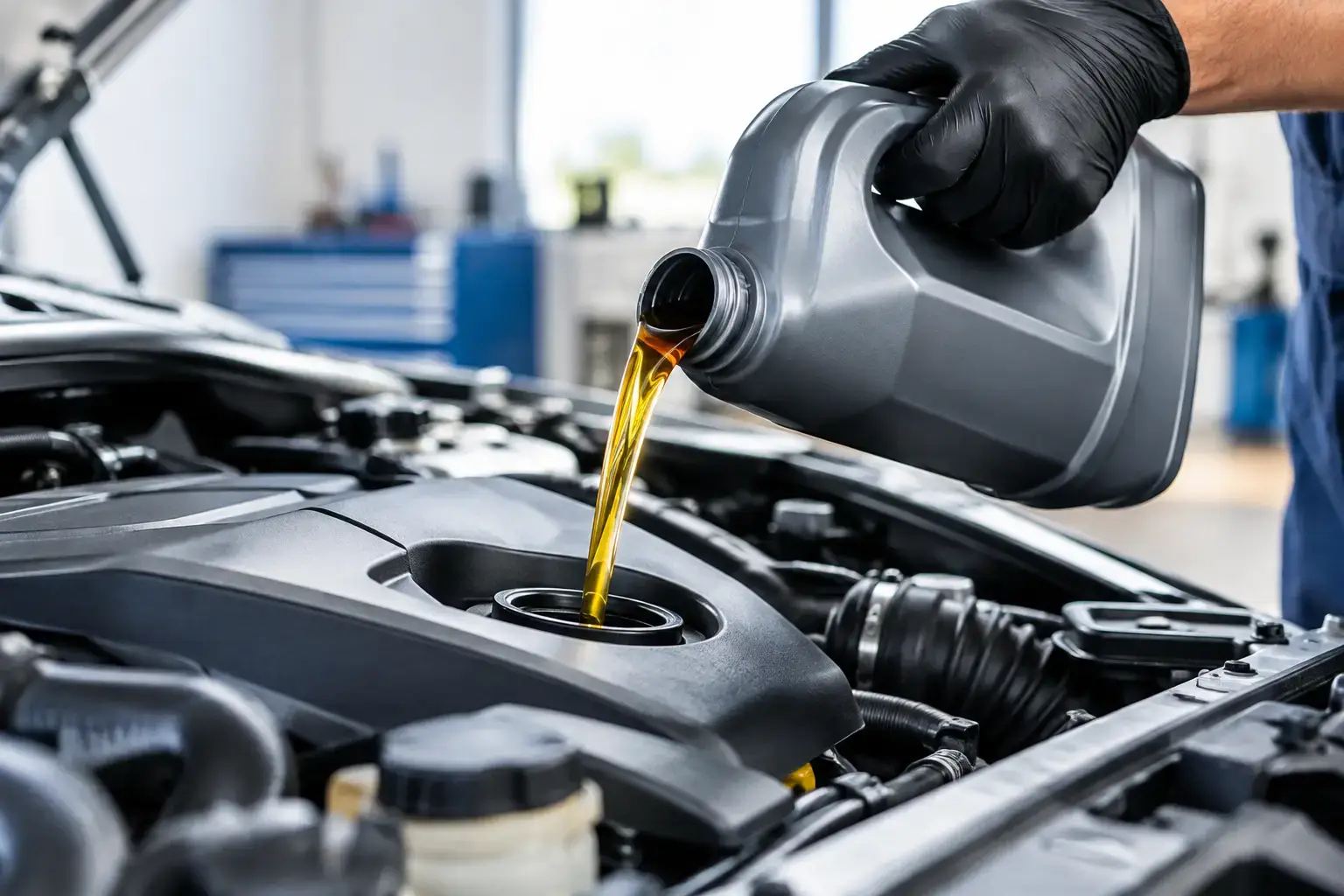
An oil change is one of the simplest services your vehicle needs, but putting it off can create expensive problems that are anything but simple. Clean oil protects moving engine parts from heat, friction, and buildup. When oil is old, low, or contaminated, your engine has to work harder every time you start the car, drive to work, or head across Genesee County.
For Flint drivers who depend on their vehicle every day, regular oil service is not just about checking off a maintenance item. It is a practical way to protect reliability, fuel economy, and the life of your engine.
What an Oil Change Does for Your Vehicle
Engine oil does several jobs at once. It lubricates internal parts, helps carry heat away from critical components, captures dirt and contaminants, and helps prevent corrosion inside the engine. The oil filter supports that job by trapping particles before they can circulate through the system.
Over time, heat and normal engine operation break oil down. It becomes less effective at lubricating parts and may collect dirt, moisture, fuel residue, and tiny metal particles. This is especially common for vehicles driven on short trips, in stop-and-go traffic, during cold Michigan winters, or under heavy loads.
Changing the oil and filter at the proper interval gives your engine a fresh supply of protection. It also gives a technician a chance to look for early warning signs, such as a leak, low fluid level, worn belts, a damaged filter housing, or an issue that could become more serious later.
How Often Should You Get an Oil Change?
The right interval depends on your vehicle, the type of oil it uses, and how you drive it. Older vehicles using conventional oil may need service more often than newer vehicles designed for synthetic oil. Many newer models can go longer between changes, but the manufacturer’s maintenance schedule should always come first.
A good starting point is to follow the interval listed in your owner’s manual or displayed by your vehicle’s oil-life monitoring system. That said, the dashboard reminder is a guide, not a replacement for paying attention to your vehicle. If the oil level is low, the engine is making unusual noise, or you notice an oil warning light, do not wait for the next scheduled service.
Local driving habits matter, too. A vehicle that spends most of its time on quick trips around town may need more frequent attention than one that regularly gets up to operating temperature on longer highway drives. Short trips can allow moisture and contaminants to remain in the oil rather than burn off during normal operation.
If you are unsure which schedule makes sense for your car, truck, or SUV, ask for a recommendation based on your manufacturer’s requirements, mileage, engine condition, and driving routine. Clear advice is more useful than a one-size-fits-all interval.
Signs Your Vehicle May Need Oil Service Sooner
You do not have to be a mechanic to notice when something may be wrong. An oil warning light deserves immediate attention. This light can indicate low oil pressure, which can put the engine at risk of serious damage if you continue driving.
Other signs are less urgent but still worth checking. Dark oil alone is not always a problem, since detergent additives do their job by holding contaminants in suspension. However, a low reading on the dipstick, a burning-oil smell, fresh spots under the vehicle, ticking or knocking sounds, or smoke from the exhaust should be inspected.
Pay attention if you are adding oil between services. Some engines use a small amount of oil over time, particularly as they age, but frequent top-offs may point to a leak or internal engine issue. Topping it off can help temporarily, but it does not identify why the oil level is dropping.
Conventional, Synthetic Blend, or Full Synthetic Oil?
Oil choices can feel confusing because the right product is not always the cheapest one on the shelf. Conventional oil is often suitable for older engines and some vehicles with basic service requirements. Synthetic blend oil offers added protection at a middle price point. Full synthetic oil generally performs better in extreme temperatures, resists breakdown longer, and is required by many newer engines.
The best choice is the oil grade and specification required by your manufacturer. Using the wrong viscosity can affect lubrication, fuel economy, and engine performance. Using a lower-cost oil that does not meet the required specification may save a little money during the visit but create problems over time.
Full synthetic oil can be a smart choice for drivers dealing with Michigan’s cold winters, frequent short trips, turbocharged engines, towing, or high-mileage vehicles. Still, it does not mean every vehicle can safely extend its service interval. The oil type and the change interval are two separate decisions, both based on what your vehicle needs.
Why the Filter Matters Too
An oil filter is not a minor add-on. It removes harmful particles from the oil before they travel through the engine. A quality filter needs to hold contaminants while allowing proper oil flow, even during cold starts when oil is thicker.
Replacing the filter during each oil service helps ensure fresh oil is not immediately exposed to the dirt collected by the old filter. A technician should also inspect the drain plug, sealing washer, and filter area for signs of damage or leakage. These small details help prevent the inconvenience of finding oil on your driveway after service.
An Oil Change Is Also a Maintenance Checkpoint
A properly performed oil service is a convenient time to inspect other basic vehicle needs. Depending on the vehicle and service requested, this may include checking tire condition and pressure, fluid levels, brake wear, wiper blades, exterior lights, belts, hoses, and visible leaks.
This does not mean every oil visit should turn into a long list of repairs. A trustworthy shop will explain what was found, separate safety concerns from items that can wait, and provide clear pricing before work begins. You should understand what needs attention now, what to plan for soon, and what is simply being monitored.
That approach helps drivers budget without ignoring a developing issue. For example, catching a small oil seep early may be far less costly than waiting until it becomes a major leak. Identifying uneven tire wear can also point to an alignment or suspension concern before you need to replace tires sooner than expected.
Common Oil Change Mistakes to Avoid
The biggest mistake is waiting too long because the vehicle still seems to run normally. Engine wear often happens gradually and without an obvious symptom. By the time a warning light appears or the engine becomes noisy, the repair may be more involved.
Another mistake is choosing oil based only on price. The correct oil specification, filter quality, and proper installation all matter. It is also wise to keep records of oil services, particularly if you own a newer vehicle, have warranty coverage, or may sell the vehicle later.
Drivers who change their own oil should take extra care with the drain plug, filter installation, fill level, and disposal of used oil. Overfilling can be just as harmful as running low. If the filter gasket sticks to the engine and a new filter is installed over it, the result can be a major leak shortly after startup.
Reliable Oil Change Service in Flint
At DNC Auto Repair, oil service is handled as part of your vehicle’s long-term care, not a rushed transaction. Certified, experienced technicians can help you choose the proper oil for your vehicle, replace the filter, inspect for visible concerns, and explain any recommendations in plain language.
Whether your vehicle is due for routine maintenance or you have noticed a warning light, leak, or low oil level, addressing it early can protect your engine and reduce the chance of an unexpected breakdown. Regular service is usually easier on your budget than waiting for a small maintenance need to become a major repair.
Before your next commute, school run, or weekend trip, take a minute to check your maintenance records and oil level. If you are due for service or are not sure when it was last done, scheduling an oil change is a straightforward step toward safer, more dependable driving.
Leave a Reply