



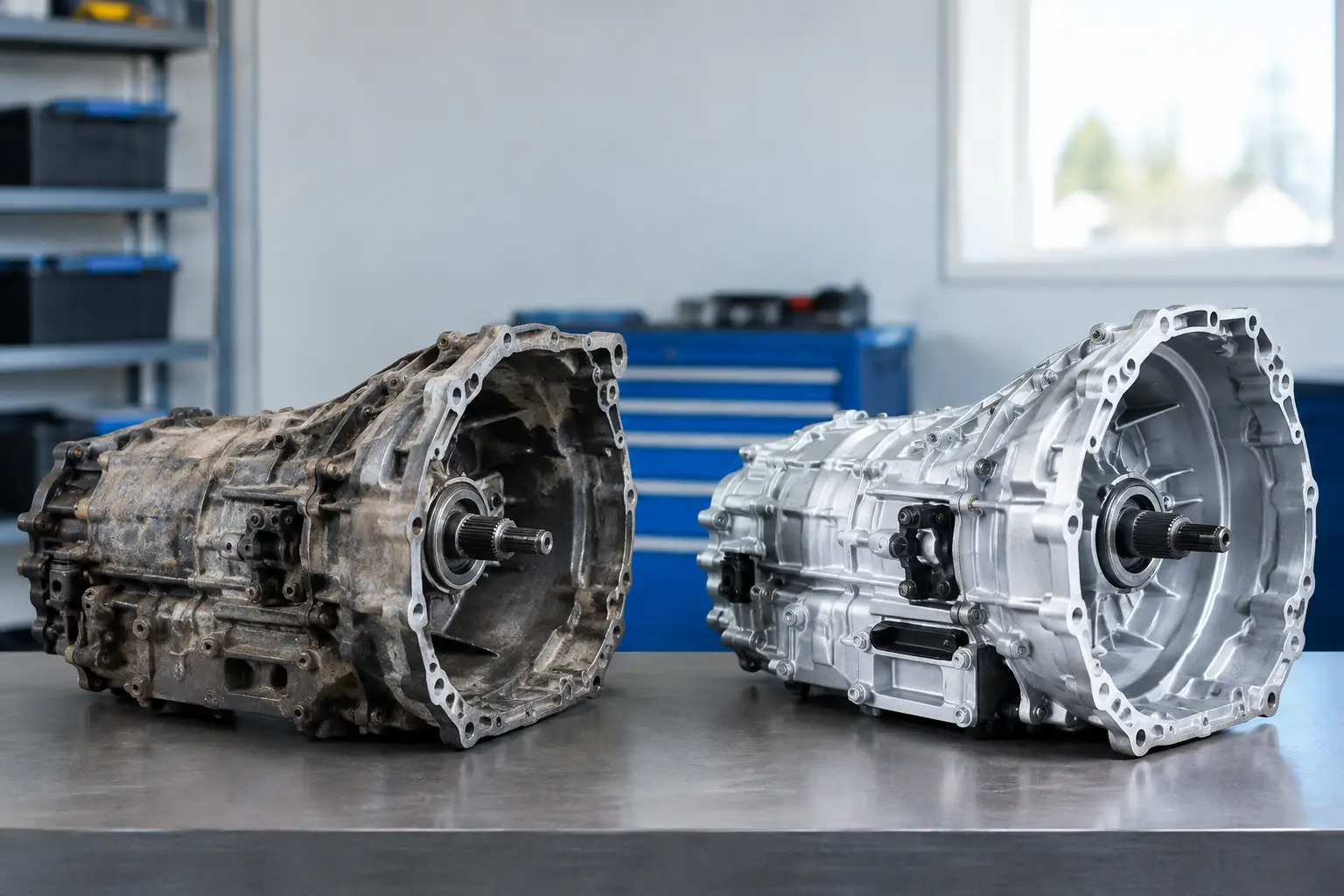
When weighing repair versus replace transmission options, the first question is not always, “Which one costs less today?” The better question is which option will give you dependable transportation without putting more money into a vehicle that may not be worth it. For Flint-area drivers who rely on their car, truck, or SUV for work, school, errands, and family commitments, the right answer starts with an accurate diagnosis.
A transmission problem can feel overwhelming because the symptoms are often noticeable and the repair can be significant. Still, a warning light, delayed shifting, slipping, or a fluid leak does not automatically mean you need a complete replacement. In some cases, a focused repair can restore safe, reliable operation. In others, replacing the unit is the smarter long-term investment.
Repair Versus Replace Transmission: Start With Diagnosis
The transmission is responsible for transferring engine power to the wheels at the appropriate gear ratio. Modern automatic transmissions, continuously variable transmissions, manual transmissions, and dual-clutch systems all work differently, but each depends on properly functioning mechanical parts, fluid pressure, sensors, seals, and electronic controls.
That is why symptoms alone do not tell the whole story. A vehicle that shifts harshly could have internal clutch damage, but it could also have low or contaminated fluid, a faulty solenoid, a worn mount, a sensor issue, or a programming concern. Replacing a transmission before identifying the actual failure can lead to unnecessary expense.
A professional inspection should include checking the transmission fluid condition and level, scanning the vehicle for diagnostic trouble codes, road testing when appropriate, and inspecting for leaks or related drivetrain issues. The technician should also consider the vehicle’s service history and explain what the findings mean in plain language.
When a Transmission Repair Makes Sense
Repair is often the right choice when the problem is isolated and the rest of the transmission is in good condition. Replacing an external seal, repairing a fluid leak, changing a failed sensor, servicing a valve body, or replacing a solenoid may cost far less than installing a complete transmission.
Fluid-related issues are another example. Transmission fluid helps cool, lubricate, and operate the system. If a leak is caught early, repairing the leak and restoring the correct fluid level may prevent more serious internal damage. Waiting too long can allow clutches and bearings to wear because of poor lubrication or overheating.
A repair may also be practical when your vehicle is otherwise in strong condition. If the engine, brakes, suspension, tires, and body are sound, investing in a targeted transmission repair can help you get more useful years from the vehicle. This is especially true when the repair addresses a confirmed issue rather than a guess.
Repair is not always a minor job. Some internal transmission repairs require substantial labor because the unit must be removed and partially disassembled. Even then, repairing a specific failed component may still make more sense than replacing the entire transmission, depending on the damage and the available warranty.
Signs Replacement May Be the Better Choice
Replacement becomes more likely when there is extensive internal damage or repeated transmission failure. Metal debris in the fluid, severe slipping in multiple gears, major internal clutch failure, cracked housing, or damage caused by driving while badly overheated can indicate that a simple repair will not provide a dependable result.
A replacement transmission may be new, remanufactured, rebuilt, or used. Each option has trade-offs. A new unit can offer the highest level of confidence but may be expensive or difficult to source for an older vehicle. A remanufactured unit has typically been rebuilt to established specifications with replaced wear components. A rebuilt transmission is repaired or reconditioned, though the exact scope can vary. A used transmission may have a lower upfront cost, but its history and remaining service life are less certain.
The right option depends on availability, budget, vehicle condition, and warranty coverage. A clear estimate should explain what type of replacement unit is being considered, what labor is included, and how the warranty applies. Knowing these details helps you compare options fairly instead of focusing only on the first number you hear.
Consider the Vehicle, Not Just the Transmission
The decision should account for the whole vehicle. A transmission replacement can be sensible on a well-maintained vehicle with a solid engine, dependable electrical system, and minimal rust or collision damage. It may be harder to justify if the vehicle also needs major engine work, extensive body repair, or several other costly services in the near future.
Vehicle value matters, but it should not be the only factor. Replacing a vehicle comes with its own costs, including down payment, financing, taxes, insurance changes, and the risk of buying another used vehicle with unknown issues. A repair that exceeds a vehicle’s trade-in value may still be worthwhile if it provides reliable transportation for considerably less than replacing the vehicle.
Think about how you use the vehicle as well. A commuter traveling daily between Flint and surrounding Genesee County communities may need the confidence of a more complete repair or replacement. A second vehicle driven only occasionally may make a lower-cost option more practical. There is no one-size-fits-all answer, which is why an honest conversation about your driving needs is valuable.
Do Not Ignore Early Transmission Symptoms
Transmission trouble rarely gets better on its own. Addressing unusual behavior early can sometimes keep a repair smaller and more affordable. Schedule an inspection if you notice any of these warning signs:
- Delayed engagement when shifting into drive or reverse
- Slipping, surging, or unusually high engine RPM before a shift
- Rough, jerky, or inconsistent shifting
- Red, brown, or burnt-smelling fluid beneath the vehicle
- A check engine or transmission warning light
- Grinding, whining, humming, or clunking while driving
Some of these symptoms can also come from engine, axle, differential, or electrical problems. That is another reason diagnosis matters. Replacing transmission parts without confirming the cause can waste time and money.
Ask for a Clear Repair Plan
Before authorizing major transmission work, ask what failed, what evidence supports the diagnosis, and whether there are more than one reasonable repair paths. You should understand whether the estimate covers parts, fluids, labor, programming, related seals or mounts, and any additional work that may be needed once the transmission is removed.
It is also reasonable to ask about the expected service life of each option and the warranty terms. A lower initial price is not always the best value if the repair carries limited coverage or leaves other known internal issues unresolved. On the other hand, paying for a full replacement when a confirmed external repair would solve the problem is not a good value either.
At DNC Auto Repair, the goal is to give drivers a straightforward explanation of what their vehicle needs, what can wait, and what each option means for safety and reliability. A careful diagnostic process helps make a stressful decision more manageable.
If your vehicle is shifting differently, leaking fluid, or showing a warning light, bring it in before a small concern turns into a bigger breakdown. The best next step is a clear inspection and a repair plan that fits both your vehicle and your budget.
Leave a Reply