



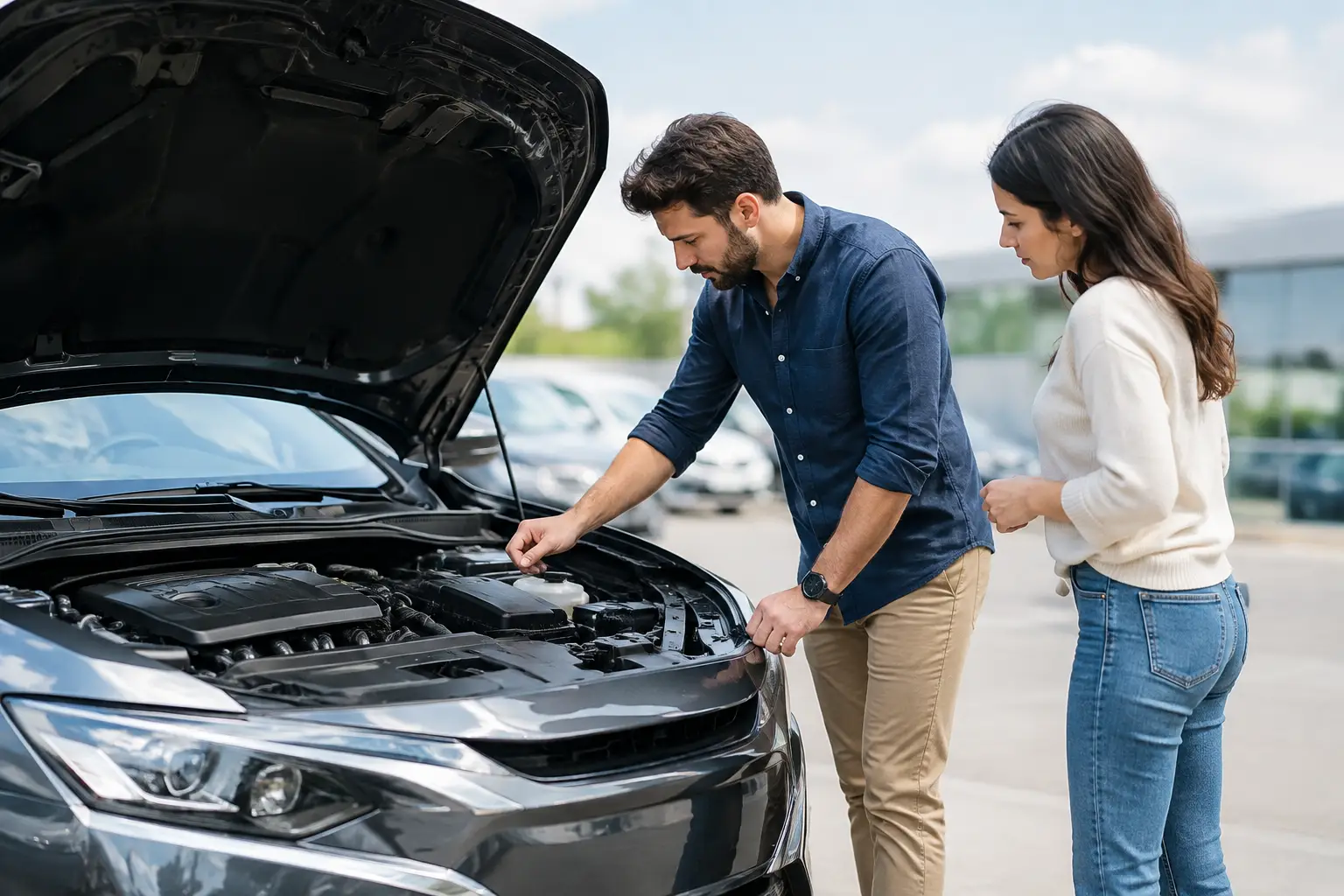
A low price can disappear quickly when a used vehicle needs brakes, tires, suspension work, or major engine repairs a few weeks after purchase. This used car inspection guide helps you look past a clean interior and a shiny paint job so you can make a more confident decision before money changes hands.
You do not need to be a mechanic to notice warning signs. A careful walk-around, an honest conversation with the seller, and a proper test drive can reveal a lot. For the details you cannot safely confirm yourself, a pre-purchase inspection by an experienced repair shop is often one of the smartest costs in the buying process.
Start Before You See the Vehicle
Ask for the vehicle identification number, current mileage, service records, and title status before making the trip. A seller who can provide clear answers and documentation is not automatically selling a perfect car, but transparency is a good sign.
Look for records of oil changes, brake service, tire replacement, transmission maintenance, cooling-system repairs, and major work such as timing chain or timing belt replacement. Routine maintenance matters because a vehicle can run well during a short test drive while neglected fluids and overdue services quietly shorten the life of expensive components.
Also ask why the vehicle is being sold and whether there are any current problems. Listen for direct answers. “It needs a little work” can mean anything from a loose trim piece to a transmission concern. Ask what work is needed, who diagnosed it, and whether the seller has an estimate.
Used Car Inspection Guide: Check the Exterior First
Inspect the vehicle in daylight, ideally when it is dry and clean enough to see the body clearly. Walk around it slowly. Look for mismatched paint, uneven gaps between body panels, overspray on trim, or doors, hood, and trunk that do not close smoothly. These can point to previous collision repairs.
Previous bodywork is not always a reason to walk away. A properly repaired vehicle can be safe and dependable. The concern is poor-quality repair work, hidden structural damage, or a seller who does not disclose a major accident.
Pay close attention to rust, especially for Michigan vehicles that have seen winter roads and road salt. Check the lower door edges, rocker panels, wheel wells, trunk area, brake lines, suspension mounting points, and underbody. Surface rust on older hardware may be normal. Rust that flakes, creates holes, weakens metal, or affects structural areas deserves a professional opinion.
Check the tires, too. All four should have usable tread and wear evenly across the surface. Uneven wear can signal an alignment issue, worn suspension parts, or a problem from a prior impact. Confirm that tire sizes match and look at the date code. Tires can appear to have good tread but still be old and hardened.
Look Under the Hood Without Guessing
With the engine off and cool, look for obvious fluid leaks, damaged hoses, cracked belts, corroded battery terminals, and loose wiring. Check fluid levels where accessible. Engine oil that is extremely low, milky, or full of metallic-looking debris is a concern. Coolant should not look oily or rusty.
Do not judge an engine only by how clean it looks. A freshly detailed engine compartment may simply show that the seller takes care of the car. It can also make leaks harder to spot. What matters is the vehicle’s overall condition, service history, and how it performs when driven.
Start the vehicle from cold if possible. A seller who has warmed up the engine before you arrive may have a reasonable explanation, but cold starts can reveal rough idling, rattles, excessive smoke, and warning lights that are less noticeable once the vehicle is warm.
Watch the dashboard during startup. The check engine, oil pressure, battery, airbag, ABS, and other warning lights should illuminate briefly, then turn off as the engine runs. A warning light that stays on needs diagnosis. A light that never appears can be just as concerning if it has been disabled or covered up.
Take a Real Test Drive
A quick loop around the block is not enough. Drive the vehicle long enough to reach normal operating temperature and include city streets, turns, braking, and highway speeds when possible. Turn off the radio and listen.
The engine should accelerate smoothly without hesitation, knocking, or heavy vibration. The transmission should shift without slipping, delayed engagement, harsh banging, or revving without a matching increase in speed. On a manual transmission, pay attention to clutch engagement and any grinding during shifts.
Test the brakes in a safe area. The pedal should feel firm, and the car should stop straight without pulling, shaking, squealing, or grinding. A slight surface noise after a vehicle has been sitting may not be serious, but braking problems should never be assumed to be minor.
On a straight road, relax your grip slightly while staying ready to correct. If the vehicle pulls hard to one side, wanders, or the steering wheel shakes, it may need tires, alignment, steering, or suspension repairs. Drive over a few normal bumps and listen for clunks. Those sounds can come from worn suspension components, and the repair cost depends on the vehicle and the parts involved.
Test the heat and air conditioning, power windows, locks, mirrors, lights, wipers, horn, backup camera, infotainment system, and seat adjustments. Small electrical problems can be inconvenient. Multiple electrical issues can be much harder to trace and repair.
Check for Signs the Seller May Be Hiding Something
Trust your instincts when details do not line up. A very low mileage reading paired with a worn steering wheel, sagging driver seat, and heavily worn pedals may deserve more investigation. So can a title that is not in the seller’s name, pressure to pay quickly, refusal to allow an inspection, or a price that seems far below comparable vehicles.
Be careful with statements such as “just needs a sensor” or “it only needs a recharge.” Modern vehicles use interconnected electronic systems, and a warning light or climate-control issue may have several possible causes. Do not budget for a minor repair unless a qualified technician has verified the diagnosis.
A vehicle history report can help identify title brands, reported accidents, and mileage inconsistencies, but it is not a complete mechanical inspection. Not every accident, repair, or maintenance visit appears in a report.
Why a Pre-Purchase Inspection Is Worth It
A professional inspection gives you information that a driveway review cannot. A technician can inspect the vehicle on a lift, look for leaks underneath, assess brake and tire condition, check suspension and steering components, scan for trouble codes, and identify concerns that may affect safety or future repair costs.
This does not mean every used car needs to be perfect. An older vehicle at a lower price may reasonably need tires, brakes, or maintenance soon. The goal is to know what you are buying and decide whether the price still makes sense after those needs are considered.
For Flint-area buyers, DNC Auto Repair can perform a thorough pre-purchase inspection and explain findings in plain language. You should leave with a clearer picture of urgent safety concerns, repairs to plan for, and whether the vehicle is a reasonable value.
Make the Decision With the Full Cost in Mind
Before you agree to buy, add the purchase price to expected registration costs, insurance, immediate maintenance, and any repairs identified during the inspection. A cheaper vehicle that needs four tires, brakes, suspension work, and rust repair may cost more than a better-maintained option with a higher asking price.
If the inspection finds a manageable issue, use the estimate to negotiate fairly or ask the seller to make the repair before the sale. If it finds severe rust, major drivetrain trouble, unsafe structural damage, or a seller who will not be honest about the vehicle’s condition, walking away can save you thousands.
The right used car is not necessarily the newest, lowest-mileage, or best-looking one. It is the vehicle whose condition, history, price, and expected repair needs fit your budget and the way your family relies on it every day.
Leave a Reply